Nicotinic Acetylcholine Receptors: Unlocking the Complexity of Health and Disease
1. Introduction to Nicotinic Acetylcholine Receptors (nAChRs)
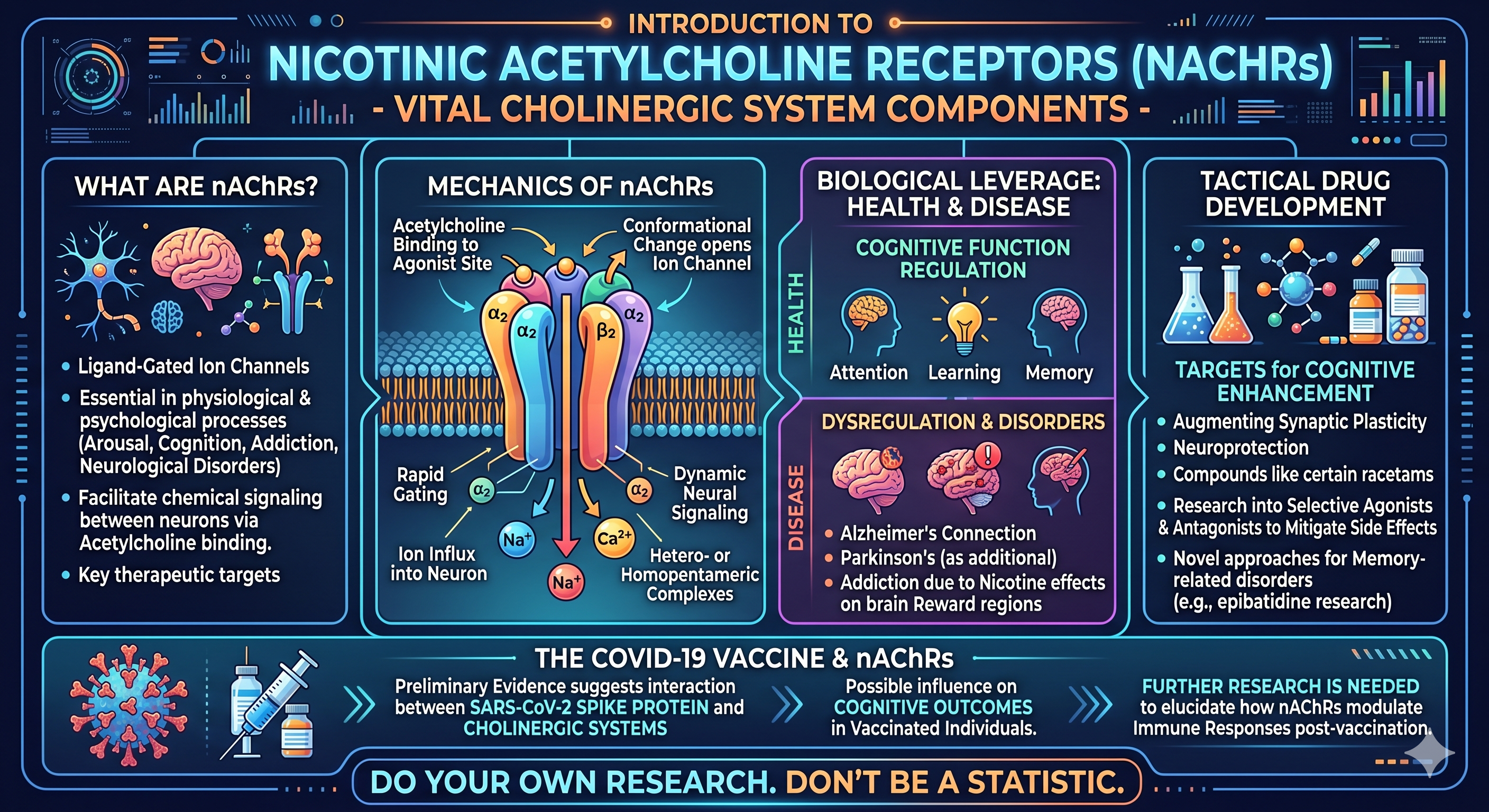
Nicotinic acetylcholine receptors (nAChRs) are integral components of the cholinergic system, a crucial part of physiological and psychological processes such as arousal, cognition, addiction, and neurological disorders. These ligand-gated ion channels facilitate rapid chemical signaling between neurons upon binding to acetylcholine, positioning them as key therapeutic targets.
2. The Mechanics of nAChRs
The functioning of nAChRs initiates with the binding of acetylcholine to the receptor's agonist site, triggering a conformational change that opens an ion channel for sodium and calcium influx into neurons. This mechanism enables precise control over neural signals through rapid gating processes. Composed of distinct subunits such as α2 and β2, their pharmacological properties determine selectivity and sensitivity to various ligands and toxins.
3. Biological Leverage: Implications in Health and Disease
nAChRs modulate neurotransmission and influence complex behaviors like attention, learning, and memory. In health, they regulate cognitive functions; in disease, dysregulation is associated with disorders such as Alzheimer's and addiction due to the impact of nicotine on brain regions involved in reward processing.
4. Tactical Implementation: Drug Development and Cognitive Enhancement
The understanding of nAChRs drives advancements in drug development aimed at enhancing cognitive function or treating neurological disorders. Compounds such as certain racetams interact with nAChRs, augmenting synaptic plasticity and neuroprotection. Ongoing research focuses on developing selective agonists and antagonists to mitigate side effects while improving therapeutic outcomes, exemplified by compounds like epibatidine offering novel approaches for memory-related disorders.
5. The COVID-19 Vaccine and nAChRs
Preliminary evidence suggests interactions between the SARS-CoV-2 spike protein and cholinergic systems, possibly impacting cognitive outcomes in vaccinated individuals. Further research is required to elucidate how nAChRs might modulate immune responses post-vaccination.
Prostar Life Hack
Understanding the interplay between COVID-19 vaccines and nAChRs may offer insights into mitigating cognitive side effects in vaccinated individuals.
Prostar Life Hack
Understanding the interplay between COVID-19 vaccines and nAChRs may offer insights into mitigating cognitive side effects in vaccinated individuals.
[ AUTHOR: LEAD TECHNICAL RESEARCHER ]