
Creatine Monohydrate ATP Reservoir
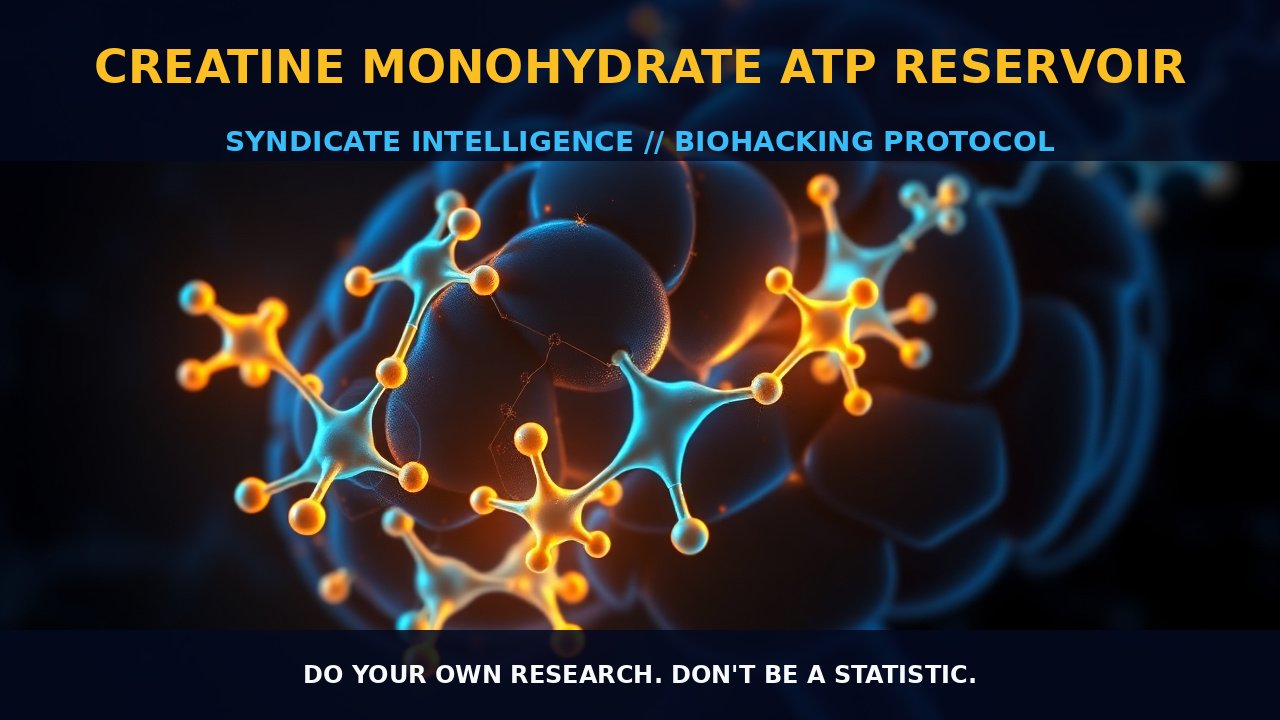
THE MECHANICS
Creatine metabolism operates through a complex series of enzymatic reactions, beginning with its synthesis in the liver and kidneys. The key enzymes AGAT and GAMT catalyze the conversion of guanidoacetic acid to creatine, which is then shuttled via the bloodstream into muscle cells where it plays a pivotal role in ATP regeneration. Inside these muscle fibers, creatine undergoes phosphorylation by creatine kinase, forming phosphocreatine (PCr), the high-energy phosphate donor essential for rapid ATP production during intense physical activity.
THE BIOLOGICAL LEVERAGE
Supplementing with creatine enhances its concentration within skeletal muscles, boosting PCr availability and optimizing energy metabolism. This increase in muscle stores not only improves anaerobic performance but also promotes protein synthesis and hypertrophy, leading to greater strength gains over time. Additionally, the neuromuscular benefits of creatine supplementation are significant, enhancing neural transmission and synaptic function, which can translate into better overall athletic efficiency and recovery.
THE TACTICAL IMPLEMENTATION
To maximize these effects, a loading phase is recommended followed by a maintenance dose. Typically, users ingest 20 grams daily for 5-7 days to saturate muscle creatine stores, then reduce the intake to 3-5 grams per day to maintain optimal levels. This strategic approach ensures sustained benefits in both physical performance and cognitive function, making it an indispensable tool for athletes aiming to elevate their game.
Do your own research. Don't be a statistic.
Prostar Life Hack
Always verify protocol biological leverage with baseline biometric tracking. Data is sovereignty.
[ AUTHOR: LEAD TECHNICAL RESEARCHER ]