
Thc Modulates Neural Activity Through Endocannabinoid System Binding
THE MECHANICS
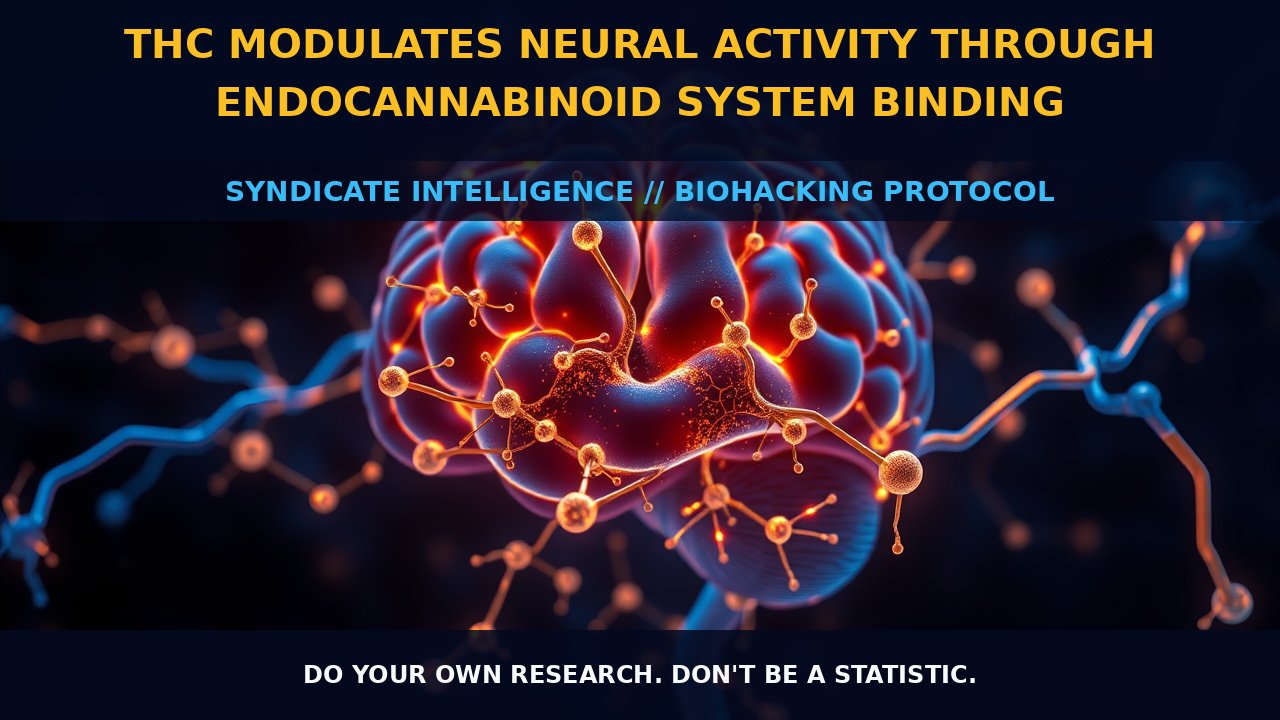
THC, or Δ9-tetrahydrocannabinol, is the primary psychoactive compound found in cannabis. It acts primarily on the endocannabinoid system by binding to cannabinoid receptors CB1 and CB2, which are widely distributed throughout the body but particularly abundant in the brain. THC mimics anandamide, a naturally occurring endogenous cannabinoid that modulates neural activity by influencing synaptic transmission and neuronal excitability. When THC binds to these receptors, it triggers various intracellular signaling pathways, including cAMP-dependent protein kinase (PKA) activation, which can influence neurotransmitter release and neuron firing patterns.
THC's action on the CB1 receptor in particular is responsible for its psychoactive effects. This binding leads to a reduction in GABAergic inhibition within certain brain regions, notably the hippocampus and prefrontal cortex. This results in increased glutamate activity and excitatory signaling, contributing to altered states of consciousness and mood modulation. Additionally, THC can interact with other neurotransmitter systems such as serotonin and dopamine, further influencing cognitive functions and emotional states.
BIOLIGICAL LEVERAGE
THC's impact on homeostasis is multifaceted, affecting various physiological processes within the body. The compound has been shown to influence pain perception by modulating nociceptive pathways in the spinal cord, leading to analgesic effects. It also interacts with the immune system, showing potential anti-inflammatory properties and reducing cytokine production, which can be beneficial for individuals suffering from chronic inflammation or autoimmune conditions.
Moreover, THC's effect on neurotransmitter systems extends beyond its direct action on cannabinoid receptors. By modulating glutamate activity through NMDA receptor modulation, THC influences synaptic plasticity and neural circuitry involved in learning and memory processes. Additionally, the compound can influence neurogenesis and neuronal survival by affecting BDNF (Brain-Derived Neurotrophic Factor) signaling pathways, which are crucial for maintaining healthy brain function.
In terms of metabolic homeostasis, THC has been linked to lipid metabolism regulation. Studies suggest that it may help regulate glucose levels by modulating insulin sensitivity in peripheral tissues. This could be particularly relevant for individuals dealing with metabolic syndrome or type 2 diabetes. Furthermore, THC's anti-inflammatory effects can also contribute to improved gut health by reducing zonulin production and the permeability of the intestinal barrier.
TACTICAL IMPLEMENTATION
When incorporating THC into a regimen aimed at enhancing homeostasis, it is crucial to consider individual variability in response to dosing and timing. A common approach involves starting with low-to-moderate amounts (e.g., 5-10 mg) and gradually increasing as tolerance builds. This can be done through various routes of administration such as smoking or vaporization for quick onset effects, or oral ingestion for a more sustained impact.
Stacking THC with other compounds may also enhance its homeostatic benefits. For example, combining it with CBD can mitigate some psychoactive side effects while retaining the therapeutic potential of both cannabinoids. Additionally, incorporating L-cysteine or N-acetyl L-cysteine (NAC) can support detoxification processes and bolster antioxidant defenses, further contributing to overall cellular health.
Timing is another key factor; using THC in the evening may help promote relaxation and improve sleep quality, whereas a lower dose during the day might enhance focus and creativity. Incorporating these strategies into a comprehensive biohacking regimen can yield significant improvements in cognitive function, emotional well-being, and metabolic balance.
Do your own research. Don't be a statistic.
Prostar Life Hack
Timing is another key factor; using THC in the evening may help promote relaxation and improve sleep quality, whereas a lower dose during the day might enhance focus and creativity.
[ AUTHOR: LEAD TECHNICAL RESEARCHER ]