
Noopept Synaptic Plasticity
THE MECHANICS
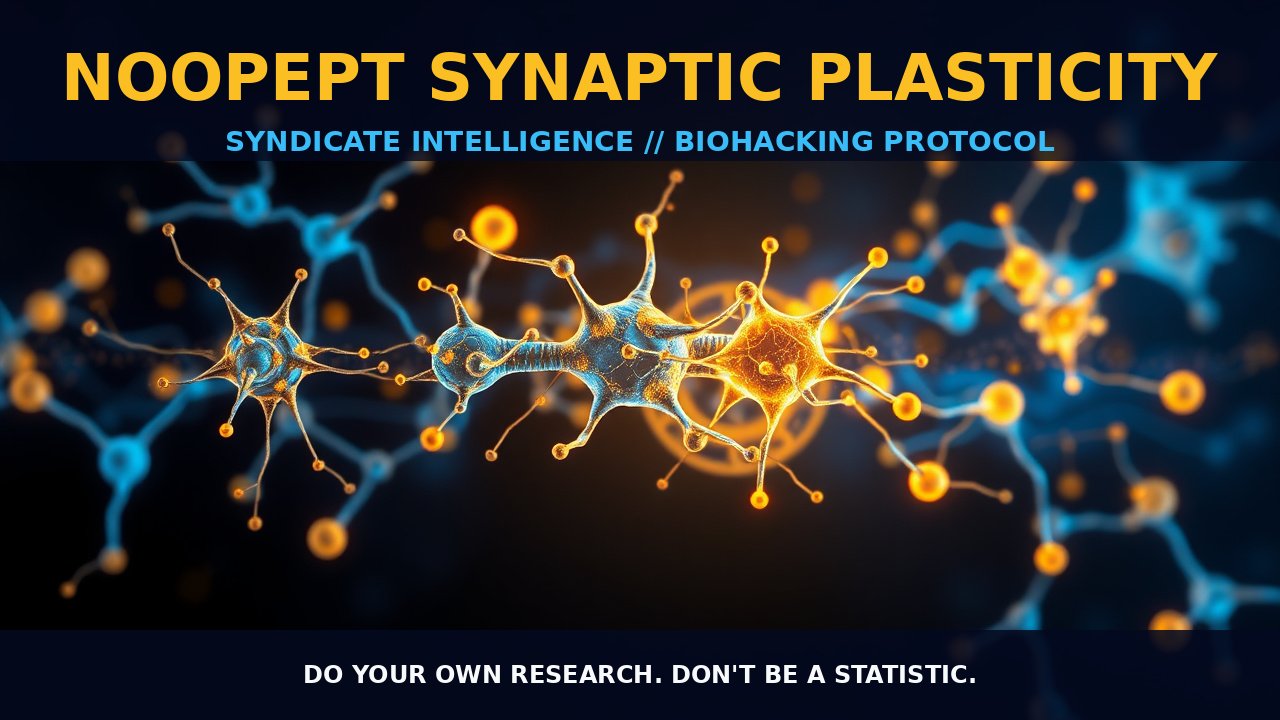
Noopept operates by stimulating receptors that control glutamate production, a key neurotransmitter in synaptic plasticity. These mechanisms underpin long-term potentiation (LTP), the process by which neural connections are strengthened based on recent patterns of activity, crucial for learning and memory enhancement. The nerve cell molecules involved in LTP include NMDA receptors, calcium, muscarinic acetylcholine receptors, nitric oxide synthase (NOS), dopamine receptors, and glutamate receptors. Each plays a critical role in the modulation of synaptic plasticity, which alters cognitive properties at the molecular level.
THE BIOLOGICAL LEVERAGE
By enhancing LTP through the modulation of neurotransmitter signaling pathways, Noopept can improve synaptic transmission and overall cognitive performance. The stimulation of receptors controlling glutamate production facilitates this process, potentially boosting learning and memory processes. This biological leverage offers a direct pathway to enhance neural efficiency and synaptic plasticity, making Noopept a promising nootropic for cognitive enhancement.
THE TACTICAL IMPLEMENTATION
While the specific dosing for Noopept remains unestablished in current research, its potential impact on synaptic plasticity mechanisms is evident. To maximize its benefits, consider integrating Noopept into existing study or work routines where cognitive performance is critical. Pairing Noopept with other nootropics like galantamine protocols can further enhance its effects by modulating neurotransmitter signaling pathways synergistically.
Do your own research. Don't be a statistic.
Prostar Life Hack
Always verify protocol biological leverage with baseline biometric tracking. Data is sovereignty.
[ AUTHOR: LEAD TECHNICAL RESEARCHER ]