
Biohacking Resilience: Enhancing Cognitive and Emotional Stability
1. The Mechanism
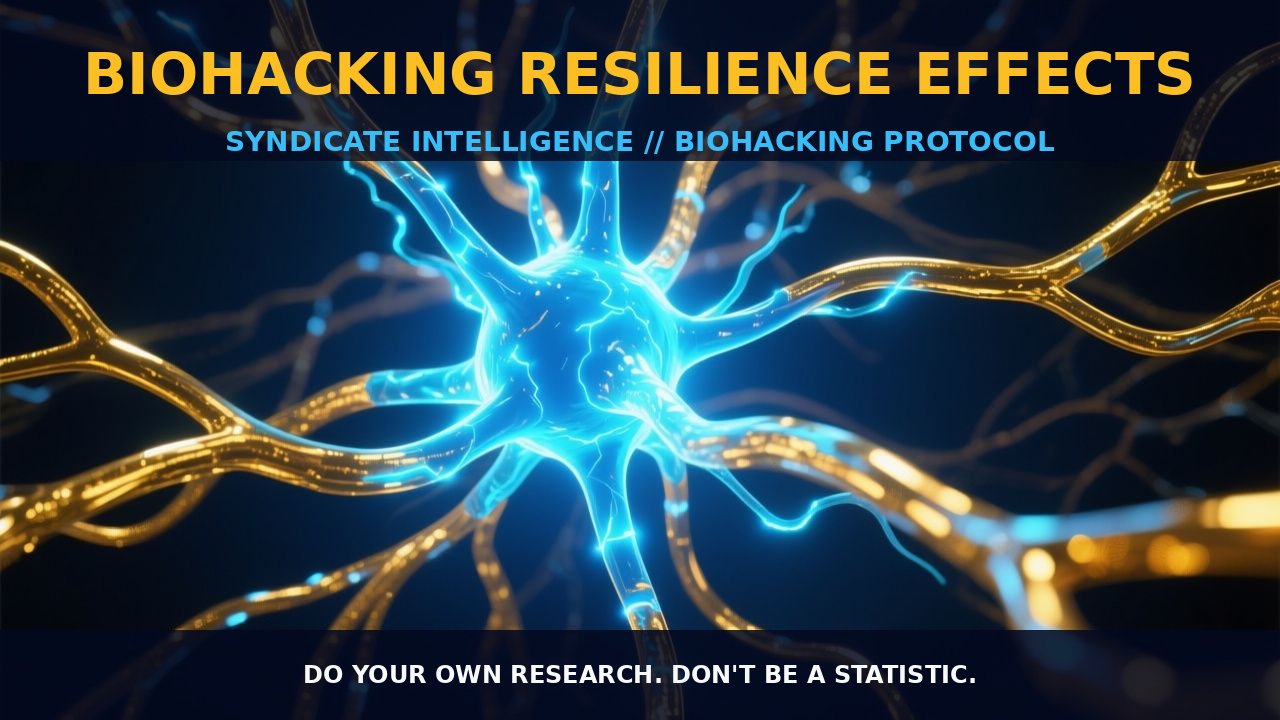
Biohacking resilience effects primarily hinge on the modulation of various physiological and psychological pathways. At the core, these efforts aim to enhance cognitive function, emotional stability, and physical well-being. The mechanics of biohacking for resilience involve a blend of targeted interventions such as diet, supplementation, and mindfulness practices.
A well-balanced diet rich in antioxidants and essential nutrients supports cellular health and reduces oxidative stress, a key factor in maintaining resilience. Additionally, neuroplasticity enhancement through cognitive exercises and neurofeedback techniques strengthens neural pathways, thereby improving adaptability and mental toughness.
Supplements play a critical role in bolstering resilience. Compounds like omega-3 fatty acids, B-vitamins, and adaptogenic herbs such as Rhodiola and Ashwagandha are often used to support brain health and stress management. These supplements interact with neurotransmitter systems, particularly affecting the release and reuptake of serotonin, dopamine, and norepinephrine. By enhancing the efficiency of these neurotransmitters, biohackers aim to elevate mood and cognitive performance, fostering a more resilient mental state.
2. Biological Leverage
The biological leverage of biohacking resilience is multifaceted, targeting both the central nervous system and the endocrine system. Central to this is the modulation of the hypothalamic-pituitary-adrenal (HPA) axis, which plays a pivotal role in the body's stress response. Chronic stress can dysregulate the HPA axis, leading to increased cortisol levels and other hormonal imbalances. Biohackers seek to balance the HPA axis through a combination of adaptogenic herbs, stress management techniques, and targeted nutritional supplements. By stabilizing cortisol and other stress hormones, biohackers aim to mitigate the negative impacts of chronic stress and promote a more resilient physiological state.
Moreover, biohacking leverages the gut-brain axis to enhance resilience. The gut microbiome influences brain function through the production of neuroactive compounds and the regulation of neurotransmitters such as serotonin and GABA. By promoting a healthy gut microbiome through probiotics, prebiotics, and dietary fibers, biohackers aim to support a balanced nervous system and improve cognitive function. This approach not only enhances emotional stability but also supports overall mental resilience.
3. Tactical Implementation
Implementing a biohacking regimen for resilience requires a strategic blend of dietary, supplemental, and behavioral practices. Dietarily, focusing on a nutrient-dense diet rich in antioxidants, omega-3 fatty acids, and vitamins is foundational. Incorporating foods like leafy greens, berries, fatty fish, and nuts can provide a robust nutritional base. Additionally, personalized supplementation can further enhance resilience. Adaptogenic herbs like Rhodiola and Ashwagandha, as well as omega-3 fatty acids, can be used to support the HPA axis and neural health.
Behavioral practices such as mindfulness meditation and regular cognitive exercises are also integral. Mindfulness meditation can reduce stress by promoting relaxation and enhancing emotional regulation. Regular cognitive exercises, such as puzzles or memory games, can strengthen neural pathways and improve cognitive flexibility. These practices, when combined with regular physical activity and adequate sleep, create a comprehensive approach to enhancing resilience.
Prostar Life Hack
Incorporate adaptogenic herbs like Rhodiola and Ashwagandha into your daily routine to support stress management and enhance resilience.
[ AUTHOR: LEAD TECHNICAL RESEARCHER ]