
Nicotine Nootropics: Enhancing Cognitive Function with Nicotine
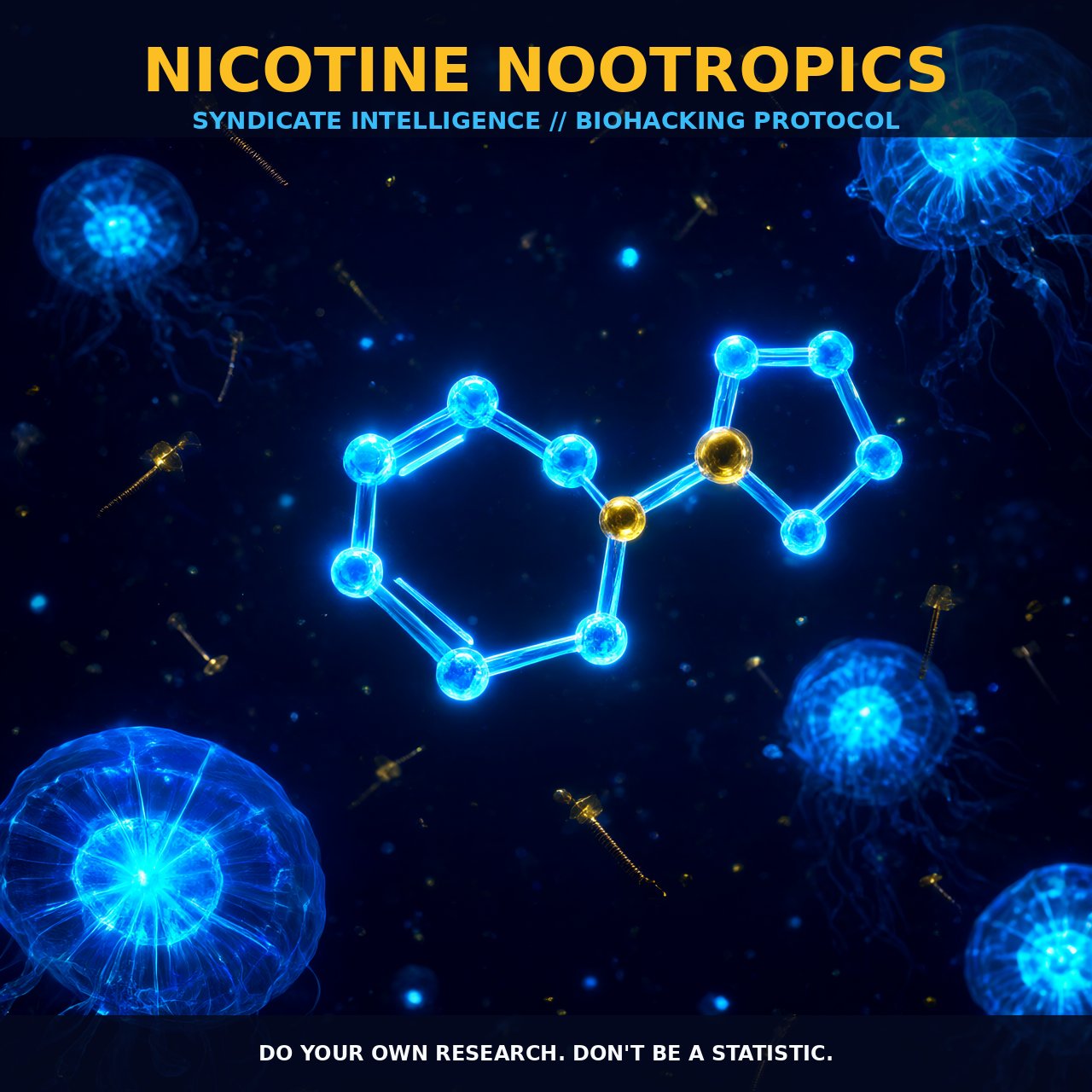
1. The Mechanism
Nicotine, a naturally occurring alkaloid found in tobacco plants, is a potent nootropic that modulates various neurotransmitter systems within the brain. Its primary mechanism of action involves the activation of nicotinic acetylcholine receptors (nAChRs), which are distributed throughout the brain and play a crucial role in cognitive processes such as attention, memory, and learning. Nicotine binds to these receptors, stimulating the release of neurotransmitters like dopamine, serotonin, and norepinephrine, thereby enhancing neural activity and cognitive function.
Additionally, nicotine has been shown to modulate glutamate receptors, particularly N-methyl-D-aspartate (NMDA) receptors, which are critical for synaptic plasticity and memory formation. This interplay between nicotine and the nAChRs and NMDA receptors provides a robust foundation for its cognitive-enhancing effects.
The absorption and metabolism of nicotine are key factors in its effectiveness as a nootropic. When nicotine is administered sublingually or through a patch, it bypasses the first-pass metabolism in the liver, allowing for a more consistent and controlled release into the bloodstream. This form of administration results in a steady increase in plasma nicotine levels, providing a sustained cognitive boost without the rapid peaks and troughs associated with smoking. The half-life of nicotine in the body is approximately 2 hours, and it is metabolized primarily in the liver, where it undergoes hydroxylation and glucuronidation to form cotinine, a major metabolite. The pharmacokinetics of nicotine contribute to its stable and reliable cognitive enhancement profile, making it a preferred choice for biohackers and nootropic users.
2. Biological Leverage
The biological leverage of nicotine lies in its ability to modulate multiple neurotransmitter systems simultaneously, thereby enhancing various cognitive functions. Nicotine's activation of nicotinic acetylcholine receptors (nAChRs) leads to an increase in the release of dopamine in the prefrontal cortex, a region crucial for executive functions such as attention, working memory, and decision-making. This dopamine release contributes to improved focus and mental clarity.
Additionally, nicotine enhances serotonin levels, which are associated with mood regulation and emotional well-being. The increased serotonin release helps to stabilize mood and reduce stress, providing a calming effect while maintaining cognitive sharpness. Furthermore, nicotine interacts with NMDA receptors, which are involved in synaptic plasticity and the formation of long-term potentiation (LTP), a process critical for learning and memory. By modulating NMDA receptor activity, nicotine enhances the efficiency of neural communication and strengthens synaptic connections, leading to improved cognitive performance.
Nicotine also influences the cAMP signaling pathway, which plays a role in the regulation of gene expression and protein synthesis. Activation of this pathway contributes to the neuroprotective effects of nicotine, potentially supporting neurogenesis and the maintenance of neuronal health. These multifaceted effects of nicotine on neurotransmitter systems and signaling pathways provide a comprehensive cognitive enhancement profile, making it a valuable tool for biohackers seeking to optimize their mental performance.
3. Tactical Implementation
To effectively use nicotine as a nootropic, it is essential to adhere to the recommended dosage and administration methods. Sublingual application, such as using nicotine patches or lozenges, is preferred over smoking, as it provides a more consistent and controlled release of nicotine into the bloodstream. The recommended dosage range for nicotine as a nootropic is 1 to 2 mg, which can be administered once or twice daily depending on individual tolerance and desired effects. It is important to start with a low dose and gradually increase it to find the optimal level that provides the desired cognitive boost without causing jitteriness or other side effects.
Nicotine can be stacked with other nootropics to enhance its effects. Combining nicotine with cholinergic compounds such as Alpha GPC or CDP Choline can support cholinergic activity in the brain, further enhancing cognitive functions. Additionally, pairing nicotine with racetams like Noopept can provide a synergistic effect, as Noopept also stimulates nicotinic and dopaminergic receptors, thereby amplifying the cognitive benefits of nicotine. Timing the administration of nicotine can also be strategic; for instance, using it in the morning or midday may provide sustained cognitive enhancement throughout the day. Users should pay attention to their individual responses and adjust dosing and timing accordingly to achieve the most effective cognitive enhancement.
Prostar Life Hack
Start with a low dose of nicotine (1-2 mg) using sublingual patches or lozenges to ensure a consistent and controlled release. Gradually increase the dosage to find your optimal level that enhances cognitive performance without causing jitteriness.
[ AUTHOR: LEAD TECHNICAL RESEARCHER ]