
Nicotine Mesolimbic Dopamine Activation: Enhancing Cognitive Function
1. The Mechanism
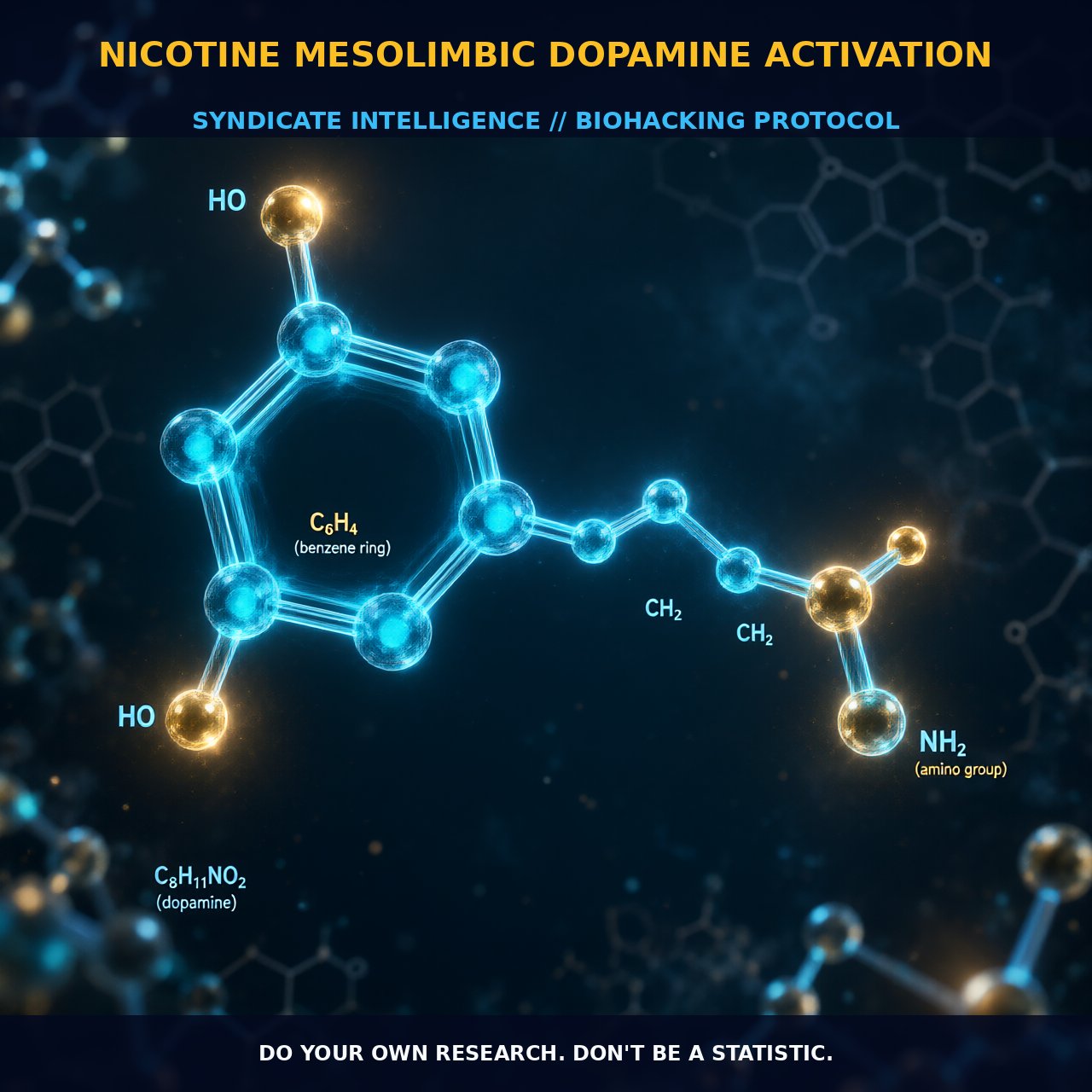
Nicotine mesolimbic dopamine activation is a crucial aspect of nicotine's effects on the brain. Nicotine molecules attach to nicotinic acetylcholine receptors (nAChRs) distributed throughout various neural pathways. These receptors are particularly abundant in the mesolimbic dopamine system, a circuit pivotal for reward and pleasure.
When nicotine binds to these receptors, it triggers a cascade of intracellular signaling events. The binding of nicotine to nAChRs increases the release of dopamine in the nucleus accumbens, a key region involved in reward processing. This increased dopamine release is a primary driver of the pleasurable sensations associated with nicotine use.
Nicotine also modulates other neurotransmitter systems, such as serotonin and noradrenaline, further contributing to its cognitive and mood-enhancing effects. Nicotine's binding to nAChRs activates calcium influx through these receptors, leading to the activation of downstream signaling pathways, including the activation of protein kinase C (PKC) and calcium/calmodulin-dependent protein kinase II (CaMKII). These mechanisms are critical for enhancing cognitive functions such as attention, memory, and motor skills observed in individuals using nicotine.
The activation of these pathways is transient, with nicotine's half-life in the body ranging from 1 to 2 hours, allowing for its rapid onset and short duration of action.
2. Biological Leverage
The mesolimbic dopamine system is intricately connected to the regulation of motivation, reward, and reinforcement, making it a pivotal target for nicotine's cognitive enhancing effects. The activation of nAChRs in this system leads to an increase in dopamine release, a key neurotransmitter involved in the modulation of reward and pleasure. This dopamine surge enhances an individual's ability to focus and remain engaged in tasks, as well as heightens the sense of reward and satisfaction associated with those tasks.
Increased dopamine levels can also have a calming effect, reducing anxiety and stress, which further contributes to the cognitive benefits of nicotine. Nicotine's modulation of the mesolimbic dopamine system is not solely dependent on its direct action on nAChRs. It can also influence the release of other neurotransmitters, such as serotonin and noradrenaline, which are involved in mood regulation and cognitive performance.
The interaction between these neurotransmitters and dopamine can create a synergistic effect, enhancing the overall cognitive performance and mood elevation. This multifaceted action on the mesolimbic system is what makes nicotine a potent cognitive enhancer, refining motor skills, improving short-term memory, and enhancing attention, all of which are crucial for optimal cognitive function.
3. Tactical Implementation
When implementing nicotine as a cognitive enhancer, it is crucial to understand the dosage and timing to maximize its benefits while minimizing potential downsides. Nicotine can be administered in various forms, including patches, gum, lozenges, or sprays, each with different absorption rates and durations.
Low-to-moderate doses of nicotine, typically ranging from 100 to 900 mg per day, are generally sufficient to experience cognitive enhancement without significant side effects. The optimal dose can vary based on individual factors such as body weight and sensitivity to nicotine.
Timing is also critical. Since nicotine has a short half-life of 1 to 2 hours, it can be used later in the day without negatively impacting sleep, as it clears out of the system more quickly compared to caffeine. Combining nicotine with caffeine can enhance its effects, as caffeine can prolong the action of nicotine by reducing its metabolism.
Additionally, stacking nicotine with nootropics like nefiracetam can further enhance cognitive performance by modulating other neurotransmitter systems and promoting synaptic plasticity.
Prostar Life Hack
Opt for low-to-moderate doses of nicotine (100-900 mg/day) and time your intake strategically to maximize cognitive benefits while avoiding side effects. Pairing nicotine with caffeine can enhance its effects, further boosting cognitive performance.
[ AUTHOR: LEAD TECHNICAL RESEARCHER ]