
Harnessing Dopamine Systems for Enhanced Reward Behavior
The Mechanism
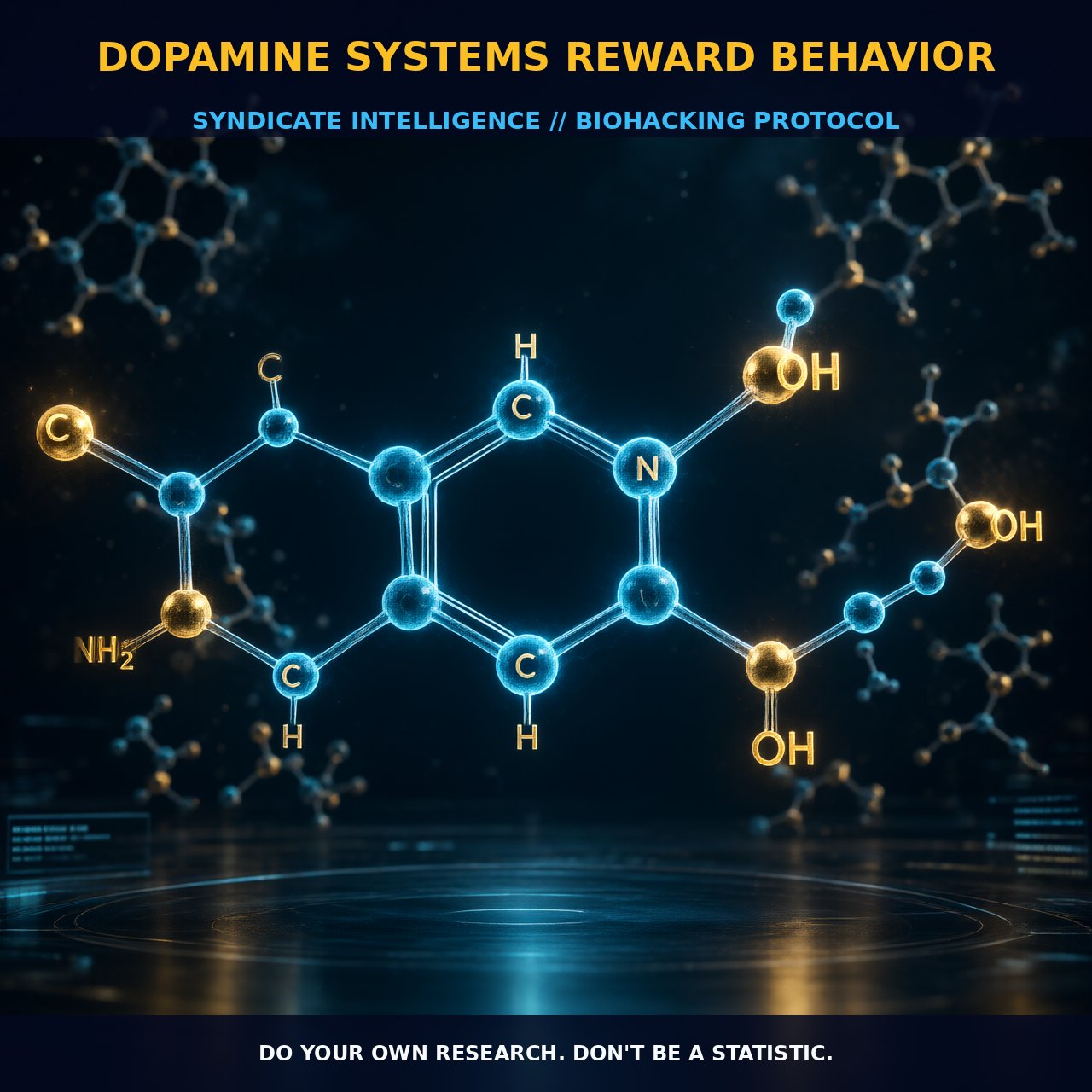
Dopamine, a vital neurotransmitter, plays a pivotal role in various brain functions, particularly in reward and motivational behavior. It is synthesized from the amino acid tyrosine through the intermediate compound DOPA. Dopamine influences a wide range of physiological and behavioral processes. The brain contains several dopamine systems, primarily involved in the regulation of reward pathways, motivation, and motor control. The mesolimbic dopamine system, extending from the ventral tegmental area (VTA) to the nucleus accumbens, is central to the reward system. This system is under tonic inhibition by GABAergic interneurons.
When opioid receptors, localized on these GABAergic neurons, are activated, they reduce the inhibitory tone, thereby disinhibiting the dopaminergic system and increasing dopamine release in the nucleus accumbens. This release is pivotal for the reinforcing effects of rewarding stimuli. Additionally, the nigrostriatal pathway, originating in the substantia nigra and projecting to the striatum, is crucial for motor control. This pathway is notably involved in the regulation of voluntary movement and is affected in Parkinson's disease.
Dopamine also modulates the activity of other neurotransmitter systems, including serotonin and acetylcholine, thereby influencing a broader range of neural functions. The dopaminergic system operates through various receptors, with the D1 and D2 receptors being the most extensively studied and significant in the regulation of reward and motivation.
The Biological Leverage
The dopaminergic system's role in reward and motivation is deeply rooted in its ability to modulate neural circuits that underpin these functions. Dopamine release in the nucleus accumbens is a key factor in the rewarding effects of various stimuli, including natural rewards like food and sex, as well as drugs of abuse like cocaine and amphetamine. The activation of dopamine receptors in the nucleus accumbens can enhance the reinforcing effects of these stimuli, leading to increased motivation and pursuit of these rewarding experiences.
Kratom, for example, has been shown to activate opioid receptors, which in turn reduce GABAergic inhibition and increase dopamine release. This mechanism is similar to that seen with other drugs of abuse. In studies, mitragynine, a primary alkaloid in kratom, has been found to induce conditioned place preference (CPP) in mice, indicating its rewarding properties. The CPP effects of mitragynine are supported by its ability to activate opioid receptors, which in turn disinhibit the dopaminergic system. This activation of the mesolimbic pathway contributes to the rewarding and reinforcing effects of kratom, potentially leading to dependence and addiction.
Furthermore, the dopaminergic system is also involved in the modulation of behavior through various feedback mechanisms. Dopamine can modulate synaptic plasticity, influencing the formation and consolidation of memories. Studies have shown that both excessively low and high levels of dopamine have a memory-impairing effect. For instance, dopamine dysregulation syndrome, which can occur in Parkinson's disease and schizophrenia patients, is characterized by symptoms such as pathological gambling, hypersexuality, compulsive eating, and aggressiveness. These symptoms are indicative of the profound impact of dopamine on motivational and reward-seeking behaviors.
Tactical Implementation
To effectively leverage the dopaminergic system for enhanced reward and motivation, biohackers can use various strategies. One approach is to increase dopamine levels through dietary sources rich in tyrosine and phenylalanine, such as avocados, bananas, turkey, chicken, and nuts like walnuts and almonds. These foods provide the building blocks for dopamine synthesis, potentially supporting its production in the brain.
Another method is to use supplements that enhance dopamine production or function. Mucuna pruriens, a leguminous plant, is a well-known source of L-DOPA, which is a precursor to dopamine. Mucuna pruriens can boost dopamine levels, particularly in individuals with mild to moderate dopamine deficiencies. Kratom, specifically the mitragynine alkaloid, can also be used to enhance dopamine release through its opioid receptor agonistic effects. However, caution is necessary when using kratom, as it can lead to tolerance and dependence if used consistently over time.
When stacking these supplements, it is important to consider their interaction with other neurotransmitter systems. For example, combining mucuna pruriens with a choline source like CDP-choline or alpha-GPC can support the synthesis of acetylcholine, which is important for memory and cognitive function. Additionally, ensuring a balanced intake of magnesium and zinc can support optimal dopamine metabolism, as these minerals are involved in the enzymatic reactions that produce dopamine.
Timing is also critical. For instance, taking mucuna pruriens in the morning can support daytime alertness and motivation, while using kratom in the evening can provide a rewarding and relaxing effect. However, the dosing should be adjusted based on individual tolerance and response.
Prostar Life Hack
Increase dopamine levels through dietary sources rich in tyrosine and phenylalanine. Consider supplementing with mucuna pruriens to boost dopamine production, especially in the morning for daytime alertness and motivation. Use kratom in the evening for a rewarding and relaxing effect, but be cautious of tolerance and dependence.
[ AUTHOR: LEAD TECHNICAL RESEARCHER ]