
Neuroenhancement with Nicotine: Boosting Reaction Time
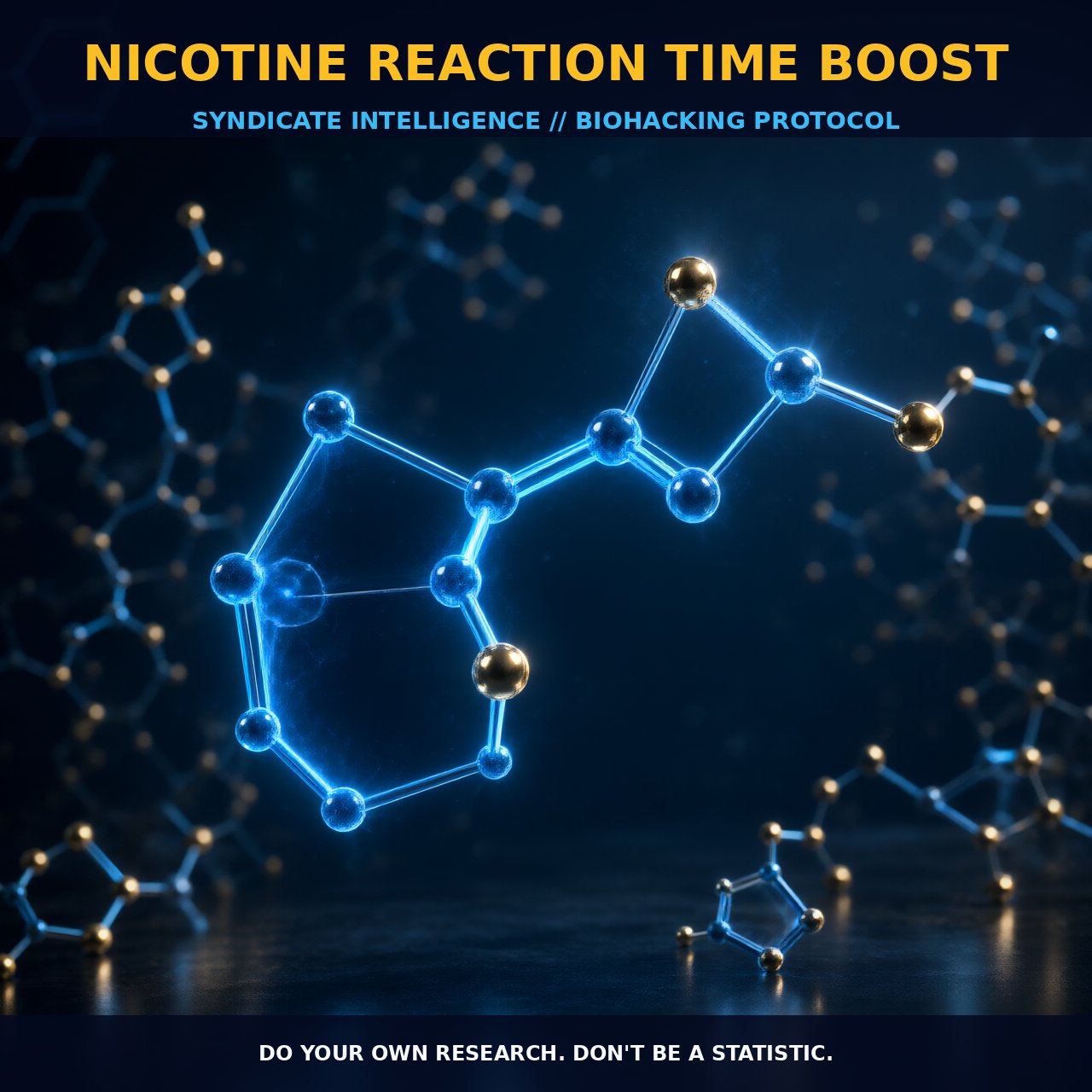
1. The Mechanism
Nicotine exerts its effects primarily through its interaction with nicotinic acetylcholine receptors (nAChRs) in the brain. These receptors are widely distributed and play a crucial role in modulating various neurotransmitter systems. When nicotine binds to nAChRs, it triggers an influx of calcium ions, which can activate downstream signaling pathways such as cyclic AMP (cAMP) and phosphorylate proteins like DARPP-32. This cascade enhances synaptic plasticity and neurotransmitter release, thereby improving cognitive functions including reaction time.
Nicotine also modulates the mesolimbic dopamine system, which is involved in reward and motivation. This activation can contribute to the pleasurable sensations experienced during nicotine use and enhance cognitive performance through dopamine-mediated pathways. Additionally, nicotine can modulate glutamatergic neurotransmission, which is critical for learning and memory. By enhancing glutamate release and N-methyl-D-aspartate (NMDA) receptor activity, nicotine can facilitate long-term potentiation (LTP) and improve synaptic strength.
The precise mechanism of how nicotine affects reaction time involves the modulation of both cholinergic and dopaminergic pathways, which collectively enhance neural processing speed and efficiency. Nicotine's effects are not limited to the central nervous system; it also influences peripheral systems. For instance, nicotine can influence the autonomic nervous system, leading to changes in heart rate and blood pressure. These peripheral effects can contribute to the overall alertness and cognitive enhancement experienced by users.
2. Biological Leverage
Nicotine's impact on reaction time is primarily mediated through its interaction with nAChRs and its modulation of dopamine and glutamate pathways. By binding to nAChRs, nicotine enhances cholinergic neurotransmission, which in turn activates glutamatergic pathways and increases synaptic plasticity. This results in faster neural processing and improved reaction times.
Additionally, the activation of dopamine pathways provides a reinforcing effect that enhances the cognitive benefits of nicotine. Studies have shown that nicotine can enhance attention and vigilance, which are critical for rapid response to stimuli. The modulation of these neurotransmitter systems leads to improved motor skills and cognitive performance, including reaction time.
Nicotine's influence on the mesolimbic dopamine system also plays a significant role in its cognitive enhancing effects. By increasing dopamine release, nicotine can enhance the reward and motivation pathways in the brain, which can contribute to better cognitive performance. The rapid delivery of nicotine, such as through vaping or smoking, leads to a more pronounced and immediate effect on these pathways, resulting in a quicker boost in reaction time compared to slower-release methods like gum or patches.
3. Tactical Implementation
To harness nicotine's benefits for enhancing reaction time, it is crucial to use low-to-moderate doses. A typical dose range of 1-4 mg is generally considered safe and effective for cognitive enhancement. This dosage can be achieved through various delivery methods, such as nicotine gum, mouth sprays, or patches. Nicotine gum, for example, releases 2-4 mg over 20-30 minutes, providing a sustained release that can be adjusted by chewing intervals.
For a more rapid effect, nicotine mouth sprays can be used, releasing nicotine directly into the bloodstream through the oral mucosa. This method allows for precise dosing and quick onset of action, making it ideal for tasks requiring immediate cognitive enhancement. Timing is also critical for optimal effect. Nicotine's half-life of 1-2 hours means that it is metabolized relatively quickly, so dosing should be spaced out to maintain consistent cognitive enhancement. For example, using nicotine gum or sprays every 1-2 hours can help maintain a steady level of nicotine in the system.
Additionally, combining nicotine with caffeine can enhance its effects, as caffeine potentiates the release of dopamine and can synergize with nicotine to improve cognitive performance. This combination can be particularly effective for tasks that require sustained attention and quick responses, such as during writing, studying, or high-pressure work environments.
Prostar Life Hack
Use nicotine mouth sprays for a rapid and precise dose, enhancing reaction time for immediate cognitive tasks.
[ AUTHOR: LEAD TECHNICAL RESEARCHER ]