
Pharmacology of DMT Metabolism in Ayahuasca
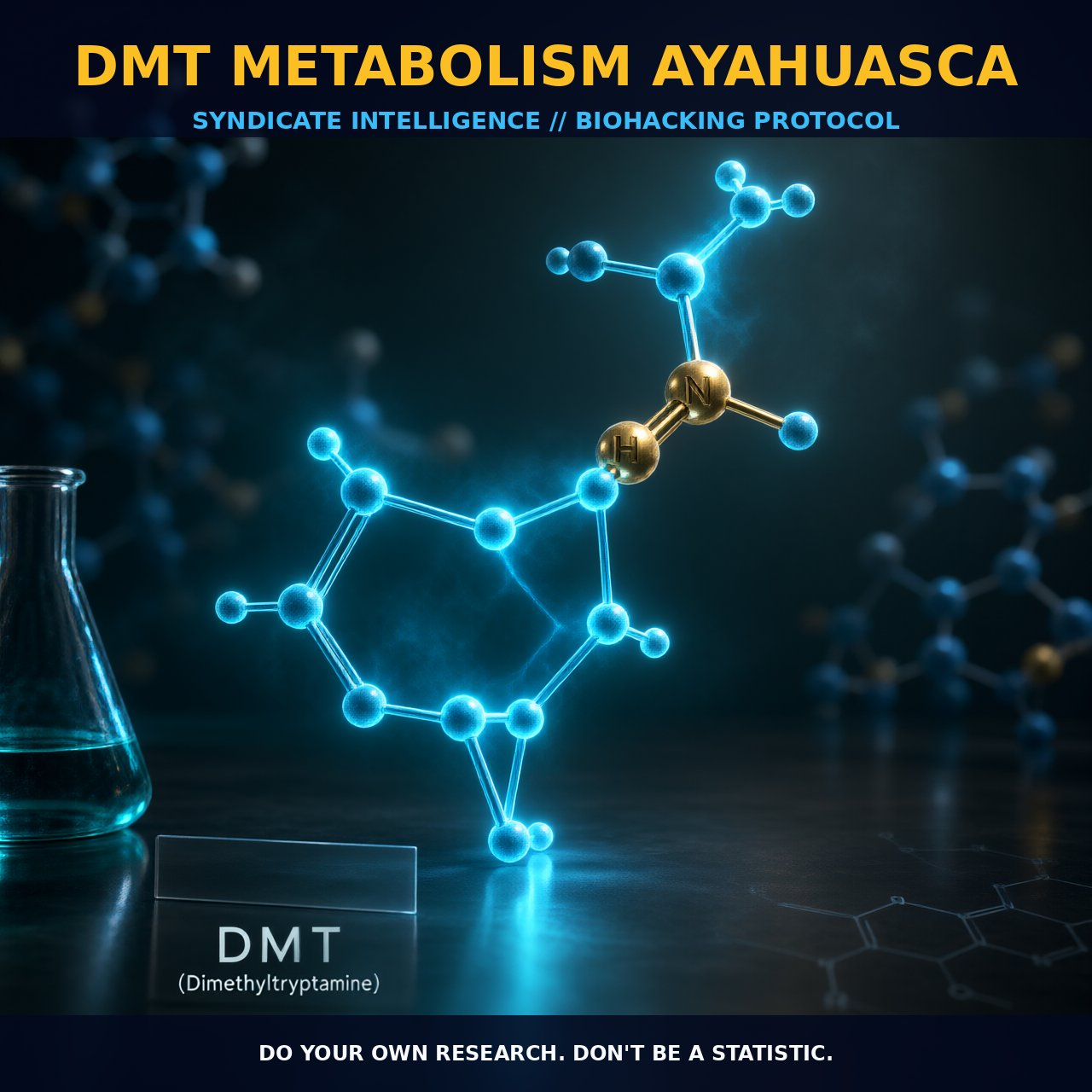
1. The Mechanism
DMT, or N,N-Dimethyltryptamine, is a potent hallucinogen derived from tryptophan, an amino acid ubiquitous in living systems. Its metabolism has been extensively studied, especially in the context of its administration through ayahuasca, a traditional Amazonian brew. DMT is rapidly metabolized in the body, primarily by monoamine oxidase A (MAO-A), an enzyme that breaks down monoamine neurotransmitters. When DMT is administered via injection or smoking, it bypasses first-pass metabolism by the liver, leading to a rapid onset of effects.
In contrast, when ingested orally, DMT is rapidly metabolized by monoamine oxidases in the gut, rendering it inactive before it can reach the brain. This rapid metabolism is a key factor in the pharmacological profile of DMT, contributing to its short duration of action, typically lasting only 15 to 60 minutes depending on the dose and route of administration.
The primary metabolic pathway of DMT involves the conversion to indoleacetic acid (IAA) via MAO-A, although several minor metabolites are also formed. Studies have shown that less than 2% of an intramuscular dose of DMT is excreted as the parent compound in urine after 24 hours, indicating rapid clearance.
2. Biological Leverage
DMT exerts its effects primarily through interactions with serotonin receptors, particularly the 5-HT2A subtype, which is densely populated in cortical regions of the brain. Activation of these receptors is thought to be responsible for the altered states of consciousness and perceptual changes observed during DMT experiences.
When administered in ayahuasca, DMT reaches the brain via the bloodstream, where it interacts with these receptors, leading to a cascade of neurochemical changes. The rapid onset and short duration of DMT's effects are due to its high affinity for 5-HT2A receptors and its rapid clearance from the system.
The metabolic pathway of DMT involves the conversion of DMT to indoleacetic acid (IAA) via monoamine oxidase A (MAO-A). This process is critical as it determines the bioavailability and duration of DMT's effects. The rapid metabolism of DMT leads to a transient peak in blood levels, typically reaching maximum concentrations within 2 to 15 minutes after administration.
3. Tactical Implementation
For those looking to optimize the effects of DMT, understanding the pharmacokinetics and metabolism of the compound is crucial. When administered via injection or smoking, DMT provides a rapid onset and short duration of effects, typically lasting 15 to 60 minutes. Smokers typically report a peak effect within 5 minutes, while those using ayahuasca may experience a peak effect around 60 to 90 minutes after ingestion.
In contrast, oral ingestion of pure DMT, without MAO inhibitors, leads to rapid metabolism by monoamine oxidases in the gut, rendering it inactive before reaching the brain. To enhance the bioavailability and duration of DMT's effects orally, it is common to co-administer MAO inhibitors like harmala alkaloids, as found in ayahuasca. This combination allows for a more prolonged and consistent experience, with effects lasting up to 4 hours.
When stacking DMT with other compounds, such as harmala alkaloids, it is essential to consider the metabolic pathways involved. For instance, harmala alkaloids inhibit MAO-A, extending the duration of DMT's effects, but may also interact with other neurotransmitter systems, potentially modulating the overall experience. Dosage ranges for DMT typically range from 40 to 50 mg for inhalation, with some users going up to 100 mg, depending on their tolerance and desired effects. For ayahuasca, doses of 0.6 to 0.85 mg/kg of DMT are commonly used, with the effects lasting for several hours.
Prostar Life Hack
To maximize the effects of DMT, consider co-administering harmala alkaloids from ayahuasca, which inhibit MAO-A and extend the duration of DMT's psychoactive effects.
[ AUTHOR: LEAD TECHNICAL RESEARCHER ]