
The Neurotransmitter Dynamics of Kratom on Sexual Function
1. The Mechanism
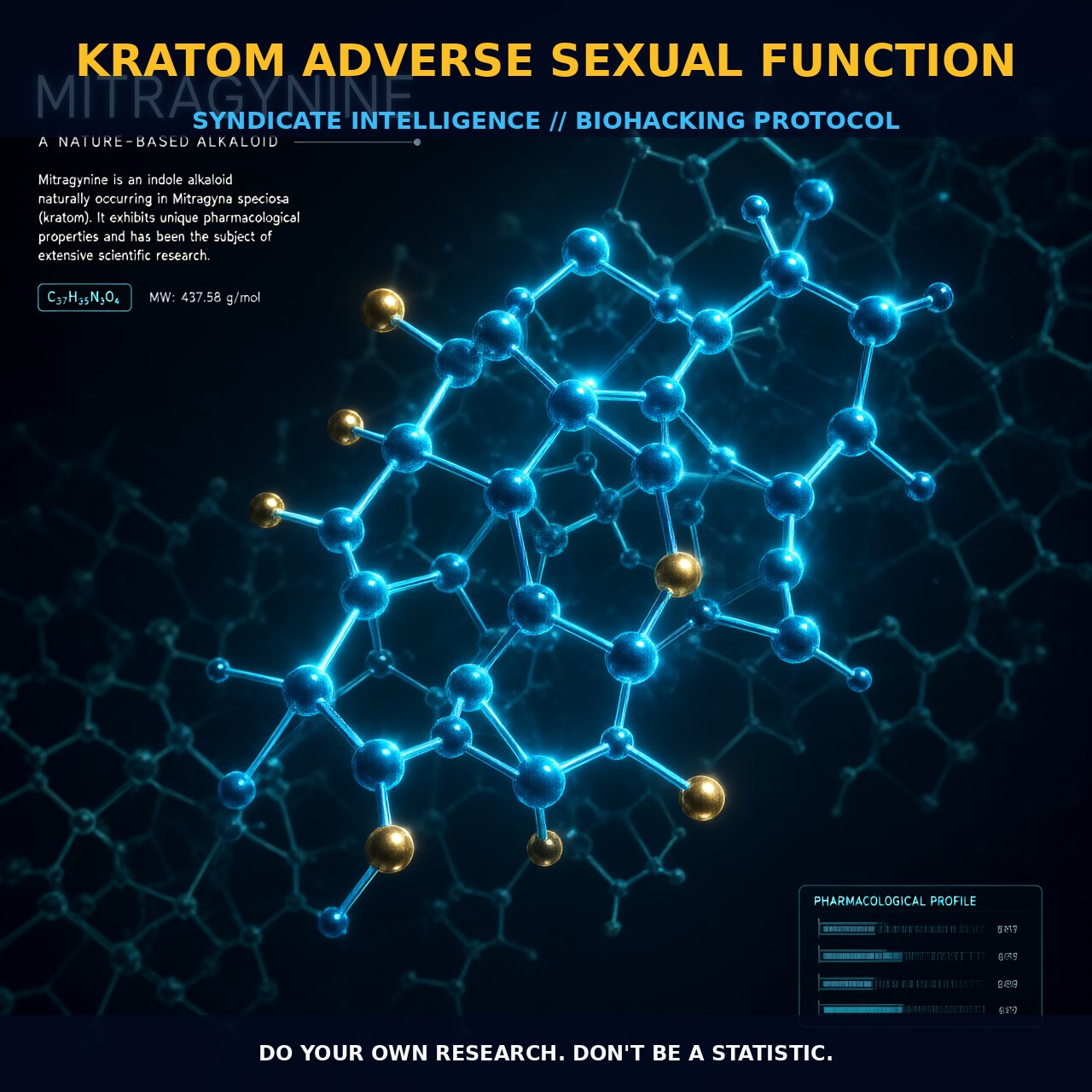
Kratom, derived from the leaves of the Mitragyna speciosa tree, contains a variety of alkaloids that interact with neurotransmitter systems in the human body. The primary alkaloids, mitragynine and 7-hydroxymitragynine, affect mu-opioid receptors, kappa-opioid receptors, and adrenergic receptors. These interactions can influence mood, pain perception, and cognitive function, as well as sexual desire and performance through modulation of neurotransmitters such as serotonin and dopamine.
Of particular note is the interaction of kratom with opioid receptors, specifically mu-opioid receptors. These receptors, abundant in the central nervous system, play a critical role in pain regulation and reward pathways, and are also involved in the modulation of sexual desire and function. Kratom can influence dopamine release, a neurotransmitter essential for sexual arousal and performance, by binding to mu-opioid receptors.
In addition to its impact on opioid receptors, kratom also modulates adrenergic receptors, which regulate the sympathetic nervous system and play a significant role in sexual arousal and response. This further contributes to the multifaceted influence of kratom on sexual function.
2. Biological Leverage
The effects of kratom on sexual function are complex and influenced by its impact on neurotransmitter pathways. Modulation of opioid receptors, especially mu-opioid receptors, is a key mechanism. These receptors regulate dopamine release, which is crucial for sexual desire and pleasure. Depending on the dose and individual physiology, kratom can either enhance or suppress dopamine activity, leading to a range of effects on sexual function, including increased libido, reduced sexual desire, or altered performance.
Additionally, kratom's influence on serotonin and dopamine pathways further contributes to its impact on sexual function. Serotonin regulates sexual behavior, and its levels can affect libido and sexual satisfaction. Kratom can alter serotonin levels, either increasing or decreasing them, which can influence sexual desire and arousal. The influence on dopamine pathways can enhance or diminish the pleasure associated with sexual activity, crucial for the experience of sexual pleasure.
3. Tactical Implementation
To influence sexual function with kratom, dosage and timing are crucial. Low-to-moderate doses, typically 2-5 grams, are generally more likely to support sexual function compared to high doses, which can suppress sexual desire and function due to increased modulation of opioid and adrenergic pathways.
Timing is also important. Taking kratom several hours before sexual activity allows the body to metabolize the alkaloids and minimize negative effects on sexual function. Users can incorporate kratom into their routine a few hours before sexual activity to mitigate reduced sexual desire while benefiting from mood-enhancing properties.
Stacking kratom with other substances such as L-theanine or caffeine can balance neurotransmitter effects and support sexual function. Individual differences in response to kratom should be considered, and dosage should be adjusted accordingly. Monitoring responses and considering concurrent use of other substances can provide a comprehensive understanding of how kratom impacts sexual function.
Prostar Life Hack
To optimize kratom's impact on sexual function, use low-to-moderate doses (2-5 grams) and take it several hours before sexual activity to allow for proper metabolism and minimize negative effects. Stacking kratom with L-theanine or caffeine can further enhance its benefits.
[ AUTHOR: LEAD TECHNICAL RESEARCHER ]