
Navigating the Risks of Excessive L-Dopa Dosage
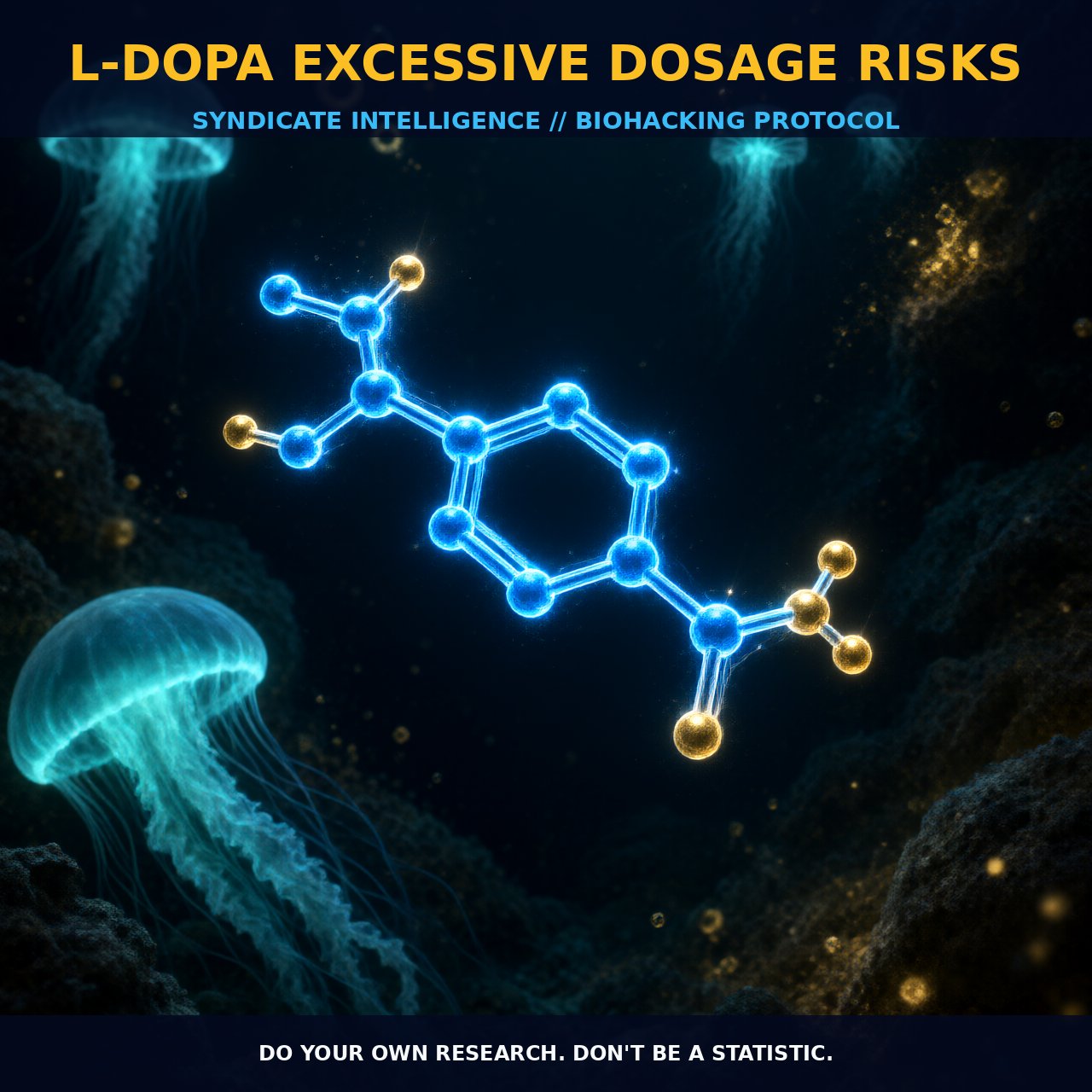
1. The Mechanism
L-Dopa, also known as L-3,4-dihydroxyphenylalanine, is a precursor to dopamine and can be synthesized from the amino acid L-tyrosine in the human body. It readily crosses the blood-brain barrier, making it an effective nootropic supplement for enhancing neurotransmitter levels. Its primary function is to increase dopamine concentrations in the brain, which can significantly impact motor function, mood, and cognitive performance.
The conversion of L-Dopa to dopamine occurs through the enzymatic action of dopa decarboxylase. This process is influenced by various factors, such as the presence of other neurotransmitters and metabolic rates. When administered in excessive amounts, L-Dopa can lead to an overproduction of dopamine, disrupting the delicate balance of neurotransmitter levels in the brain.
Excessive dosages of L-Dopa can result in dopamine dysregulation syndrome, characterized by behavioral and mood disturbances. This condition has been observed in patients with Parkinson's disease and individuals without neurological conditions who consume high amounts of L-Dopa as a nootropic supplement. Symptoms may include hypersexuality, pathological gambling, compulsive eating, and aggressiveness, arising from prolonged elevation of dopamine levels.
2. Biological Leverage
The biological leverage of L-Dopa lies in its ability to enhance dopamine synthesis and transmission in the brain. Dopamine plays a critical role in motor control, reward, and motivation. By increasing dopamine levels, L-Dopa can provide cognitive and mood benefits, such as improved focus, reduced anxiety, and heightened motivation.
The effectiveness of L-Dopa is influenced by individual variations in metabolism, particularly the activity of enzymes involved in dopamine synthesis and degradation. For instance, the CYP450 system in the liver metabolizes L-Dopa, and genetic variations can affect this process. The rate-limiting step in dopamine synthesis involves the conversion of tyrosine to L-Dopa by the enzyme tyrosine hydroxylase. Disruption at this step can lead to neurotransmitter imbalances.
Excessive L-Dopa can bypass this rate-limiting step and overwhelm downstream metabolic pathways, leading to excess dopamine. This overproduction can dysregulate dopamine receptors and downstream signaling pathways, causing behavioral and mood disturbances.
3. Tactical Implementation
To implement L-Dopa effectively and safely, adhere to recommended dosage ranges and timing. Typically, L-Dopa supplements are dosed between 250 mg to 1 gram per day, depending on individual needs and response. Start with lower doses and gradually increase to assess tolerance and efficacy.
Combining L-Dopa with other nootropics, such as L-Tyrosine, can enhance its effectiveness by supporting the early stages of dopamine synthesis. L-Tyrosine provides the necessary raw material for dopamine production, complementing the effects of L-Dopa.
When stacking L-Dopa with other supplements, consider potential interactions and synergies. For example, combining L-Dopa with MAO inhibitors enhances its bioavailability but increases the risk of side effects like hypertensive crisis and hyperserotonemia. Careful monitoring of dosage and timing is crucial.
Incorporating L-Dopa into a regimen that includes antioxidants and anti-inflammatory agents can help mitigate oxidative stress and neuroinflammation associated with dopamine dysregulation.
Prostar Life Hack
Start with lower doses of L-Dopa and gradually increase to assess tolerance and efficacy. Incorporate L-Tyrosine to support early stages of dopamine synthesis and enhance the effects of L-Dopa.
[ AUTHOR: LEAD TECHNICAL RESEARCHER ]