
Optimizing Dopamine Systems for Enhanced Motivation and Cognitive
1. The Mechanism
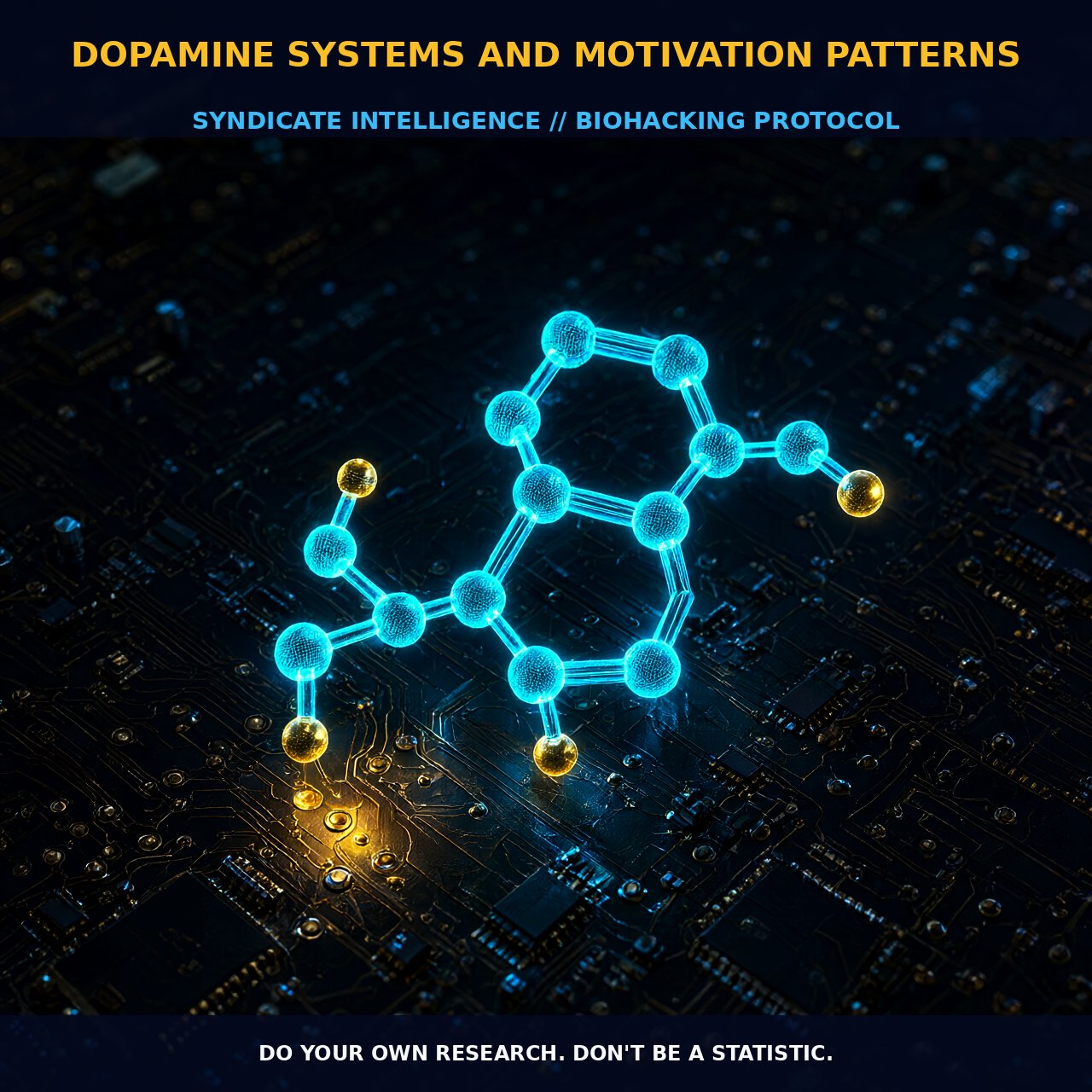
Dopamine, a neurotransmitter of the catecholamine family, plays a pivotal role in the brain's reward and motivational systems. Synthesized from the amino acid tyrosine via the intermediate DOPA, dopamine is intricately involved in behavior patterns that drive reward and motivation. The brain's dopamine systems are particularly noteworthy for their influence on these functions. Drugs and stimulants such as cocaine, amphetamine, alcohol, and nicotine are known to boost dopamine levels, contributing to their addictive properties. Beyond the reward systems, dopamine also modulates motor control and hormone secretion, underscoring its broad impact on physiological processes.
The brain contains approximately 400,000 dopamine-producing neurons, which are heavily implicated in cognitive and motivational functions. Both excessively low and high levels of dopamine can impair memory, highlighting the importance of maintaining balanced levels. Dopamine's actions are mediated through several receptor types, with D1-D5 receptors being the most extensively studied. The D1 receptors, in particular, are significantly more abundant than other dopamine receptors. These receptors are primarily localized in the prefrontal cortex and striatum, regions crucial for cognitive function and behavior regulation.
The D1 receptors, when activated, stimulate adenylate cyclase, leading to an increase in cAMP and subsequently activating protein kinase A, which can phosphorylate various proteins involved in synaptic plasticity and neurotransmitter release. This cascade of events enhances neuronal excitability and synaptic strength, thereby modulating cognitive processes and behavior patterns.
2. Biological Leverage
Dopamine dysregulation, whether due to excessive or insufficient levels, can lead to a variety of clinical symptoms and behavioral changes. Dopamine deficiency can result in mood swings, depression, social withdrawal, poor observational skills, chronic fatigue, and low physical energy. On the other hand, excessive dopamine can trigger dopamine dysregulation syndrome, characterized by symptoms like pathological gambling, hypersexuality, compulsive eating, and aggressiveness. This syndrome often occurs in individuals with Parkinson's disease who have taken high doses of L-DOPA, a dopamine precursor used to treat motor symptoms.
Foods and supplements can influence dopamine levels in the body. Vegetables and fruits, such as avocados and bananas, are rich in dopamine precursors that can support dopamine synthesis. Animal products like turkey, chicken, cottage cheese, and eggs are also beneficial, as they provide essential amino acids necessary for dopamine production. Additionally, nuts and seeds such as walnuts, almonds, and pumpkin seeds contain compounds that can enhance dopamine synthesis. Mucuna pruriens, a leguminous plant, is particularly noteworthy as it contains L-DOPA, which can directly boost dopamine levels.
The mesolimbic dopamine pathway, which connects the ventral tegmental area to the nucleus accumbens, is a critical component of the brain's reward system. This pathway is activated during pleasurable activities, releasing dopamine and enhancing the experience of reward. Chronic activation of this pathway can lead to desensitization of dopamine receptors, reducing the intensity of the reward response over time. This phenomenon underlies the development of tolerance and dependence associated with addictive behaviors. Additionally, the activation of opioid receptors in the brain can inhibit GABAergic neurons, leading to disinhibition of the mesolimbic dopamine system and increased dopamine release, further contributing to the reward and addiction circuits.
3. Tactical Implementation
To leverage dopamine for enhanced motivation and cognitive function, it is crucial to understand the optimal dosing and timing of compounds that support dopamine levels. For instance, L-DOPA supplements can be used to boost dopamine synthesis, but caution must be exercised to avoid excessive doses that might lead to dysregulation syndrome. Typical dosing ranges for L-DOPA are generally in the low-to-moderate amounts, typically around 200-600 mg per day, depending on individual tolerance and response. Mucuna pruriens, with its L-DOPA content, can be used as an alternative or in conjunction with L-DOPA, providing a sustained release of dopamine precursors.
Stacking Mucuna pruriens with other supplements like Vitamin B6 and folate can enhance the conversion of tyrosine to L-DOPA and further support dopamine synthesis. It is important to monitor the timing of these supplements, as they can have varying half-lives and absorption rates. For example, Mucuna pruriens can be taken in the morning or midday to maintain steady dopamine levels throughout the day, whereas L-DOPA might be more effective when taken in divided doses throughout the day to avoid peak concentrations that could trigger dysregulation.
Moreover, integrating foods rich in dopamine precursors and cofactors into your diet can provide a natural and sustainable way to support dopamine levels. Consuming a balanced diet with a variety of dopamine-boosting foods can help maintain a healthy dopamine balance. Regular physical activity and stress management techniques such as meditation and deep breathing can also enhance dopamine release and improve overall cognitive function.
Prostar Life Hack
Integrate Mucuna pruriens into your daily routine to boost dopamine levels sustainably. Take it in the morning or midday, combined with Vitamin B6 and folate for optimal results.
[ AUTHOR: LEAD TECHNICAL RESEARCHER ]