
D-Fraction Dynamics: Grifola Frondosa Immunomodulation and Metabolic
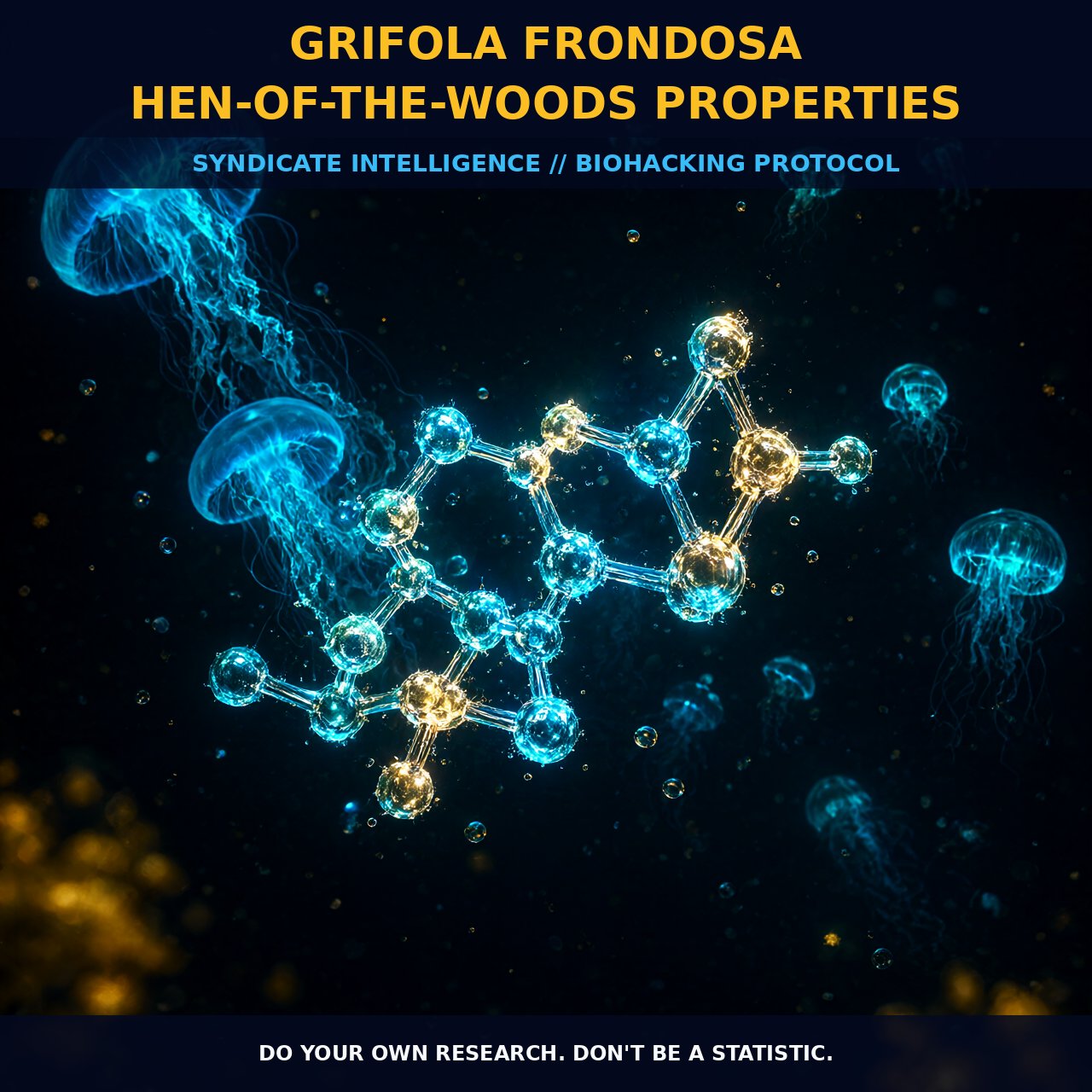
1. The Molecular Architecture of Grifola Frondosa
Grifola frondosa, widely recognized as Hen-of-the-Woods or Maitake, is not merely a culinary fungus but a sophisticated polypore anchor found at the base of trees. Its pharmacological potency is driven by the D-fraction, a complex protein-bound glucan (proteoglucan) that transcends the definition of simple polysaccharide chains. The molecular architecture features beta-glucans with either beta-1,6-linked backbones with beta-1,3 branches or beta-1,3-linked cores branched by beta-1,6 glucosides. This structural complexity is further enriched by d-xylose, d-fucose, d-mannose, l-arabinose, uronic acid, and galactose, all connected through unique linkages that dictate its bioavailability and receptor interaction profile.
The extraction methodology is critical in defining the D-fraction's efficacy. Utilizing hot water extraction, acid/alkaline treatment, or modern microwave-assisted techniques allows for the isolation of polysaccharides with specific molecular weights and monosaccharide compositions. These variations directly influence the compound's anti-inflammatory and immunomodulatory activities in vivo, providing a robust foundation for its clinical evaluation as an adjunctive therapeutic agent.
2. Biological Leverage and Systemic Modulation
The D-fraction exhibits a broad-spectrum biological activity that extends far beyond immune stimulation. It functions through multiple molecular pathways to deliver significant antitumor, immunomodulatory, anti-diabetic, and anti-hyperlipidemia effects. As an adjunctive drug approved by the State Food and Drug Administration in China, it supports therapeutic outcomes by modulating systemic inflammation, making it a potent tool for managing conditions where chronic immune activation is central to pathophysiology.
A critical feature of Grifola frondosa is its dual administration capability. Unlike many fungal glycan-based drugs that require injection, the D-fraction demonstrates robust oral bioavailability, surviving gastrointestinal degradation to exert systemic effects. This makes it highly suitable for long-term optimization protocols, addressing hyperlipidemia and insulin resistance concurrently with immune support. Its integration offers a synergistic approach to cellular resilience, targeting both tissue integrity and the dynamic regulation of metabolic processes.
3. Tactical Implementation for Optimization
For practical application, Grifola frondosa polysaccharides can be seamlessly incorporated into daily routines via oral supplementation. To maximize efficacy, users should prioritize extracts derived from controlled hot water or enzymatic processes to ensure the preservation of active beta-glucan linkages. The oral route avoids the need for injection while maintaining sufficient plasma levels to support long-term modulation of glucose and lipid metabolism.
Stacking considerations should focus on compounds that complement its immunomodulatory and anti-inflammatory pathways. Synergistic partners include polyphenol-rich extracts and omega-3 fatty acids, which enhance its lipid-modulating properties. Additionally, pairing Grifola with antioxidants targeting different radical species creates a comprehensive defense network against oxidative stress.
Prostar Life Hack
The Synergistic Stack: For optimal metabolic and immune support, combine Grifola frondosa with Omega-3s. The D-fraction’s anti-inflammatory mechanisms work in tandem with polyunsaturated fats to reduce systemic inflammation markers more effectively than either agent alone, creating a dual-layer defense for long-term cellular health.
Prostar Life Hack
Combine Grifola frondosa with Omega-3 fatty acids for a synergistic reduction in systemic inflammation and improved lipid modulation.
[ AUTHOR: LEAD TECHNICAL RESEARCHER ]