
Optimizing Cognitive Signal-to-Noise Ratios Through Neuroprotective
1. The Signal-to-Noise Paradigm
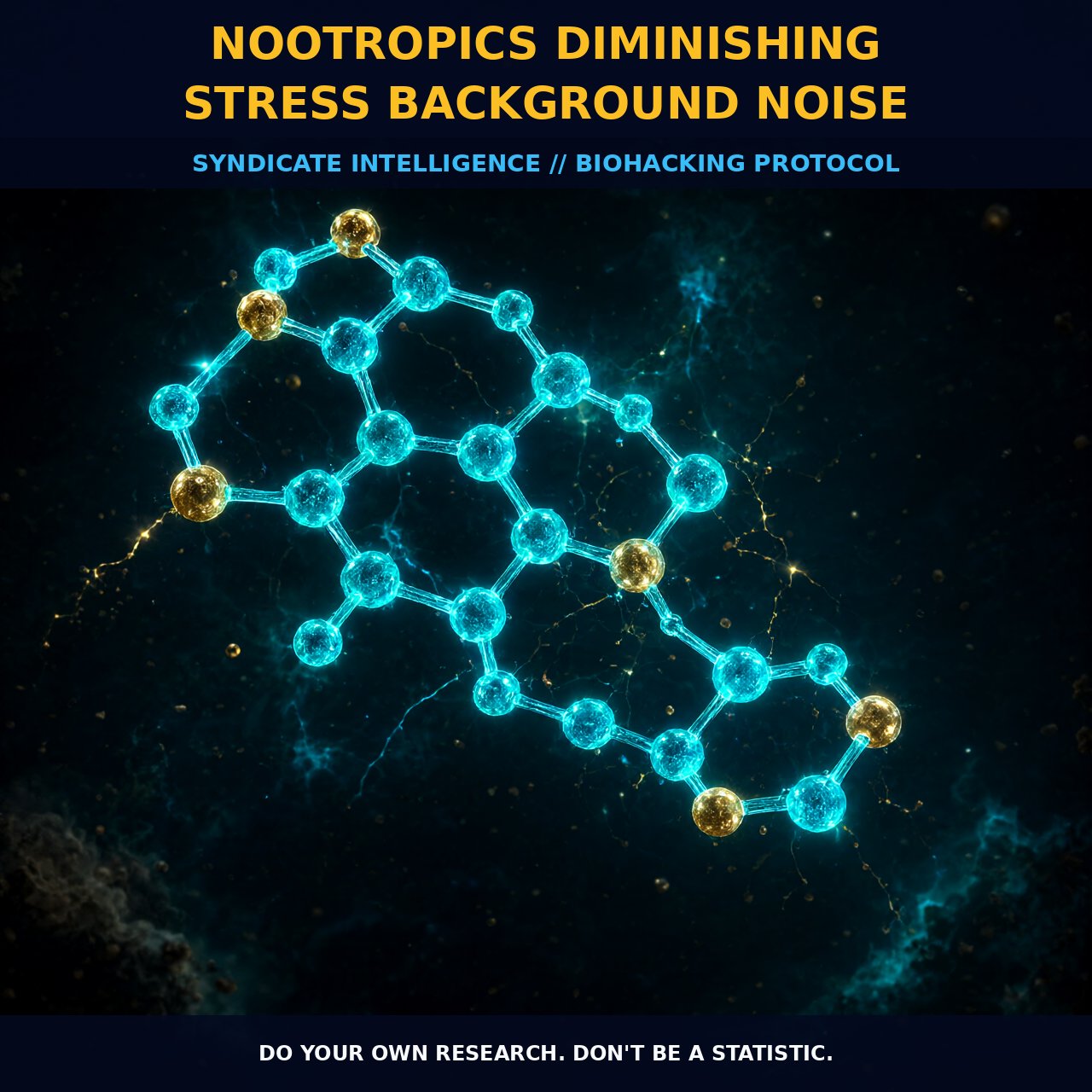
Contrary to the traditional medical narrative that frames stress as an overwhelming excess of sensory input, our latest research suggests that the primary issue is not volume, but clarity. Nootropics do not merely flood the system with stimulants to combat fatigue; they systematically diminish the background noise interfering with neural processing. This mechanism refines the signal-to-noise ratio, allowing professionals to interpret complex data with greater precision and retention.
This distinction is critical for those in high-pressure roles who require sustained mental stamina rather than transient bursts of hyperactivity. While conventional caffeine offers an acute spike that often results in a volatile energy profile and subsequent crash, nootropics provide a stable baseline. By calming the brain at the source, these compounds modulate the underlying drivers of mental fatigue and emotional volatility, ensuring steady cognitive output without the jagged peaks associated with unmanaged stress.
2. Biological Leverage & Structural Preservation
The impact of nootropic intervention extends beyond immediate alertness to encompass significant structural and chemical preservation within the cerebral cortex. Optimized levels of key neurotransmitters, specifically serotonin and dopamine, raise the threshold for distraction. This biochemical shift fortifies resilience against external stressors, preventing the rapid depletion of mental resources that typically precipitates burnout.
Furthermore, long-term utilization promotes a dual-action effect on cellular health: it decreases cell deterioration while simultaneously encouraging regrowth. This neuroprotective profile addresses both the immediate symptomology of brain fog and the cumulative micro-damage accumulated over years of high cognitive load. By maintaining cellular integrity, nootropics support metabolic efficiency and vitality, serving as a preventative measure against premature neural aging.
3. Tactical Protocol Implementation
For optimal integration, sustained use is non-negotiable. Rather than relying on acute, single-dose effects, we recommend stacking multiple compounds to create a robust, enduring cognitive architecture. Because individual cognitive wiring is influenced by unique genetic markers and environmental factors, the ideal stack requires personalization. Begin with established, broad-spectrum compounds known for their safety profiles before adjusting dosages upward based on individual chemistry.
When curating your regimen, prioritize formulations that are either stimulant-free or offer balanced stimulation to eliminate the midday crash. Key selection criteria should include explicit claims regarding signal-to-noise optimization and the facilitation of complex information interpretation. Consistency is paramount; the restorative benefits accumulate over time, solidifying long-term brain health and professional performance.
Prostar Life Hack
Dose for Silence, Not Just Energy: When selecting your stack, ignore marketing claims about 'boosting energy' and look for metrics related to 'noise reduction.' Start with lower doses of neuroprotective compounds like L-Theanine or Ashwagandha to clear the static before adding stimulants. This ensures you are building a foundation of clarity first, preventing the jittery overstimulation that masks true mental fatigue.
[ AUTHOR: LEAD TECHNICAL RESEARCHER ]