
Agmatine Sulfate: Neuromodulatory Mechanisms and Mitochondrial
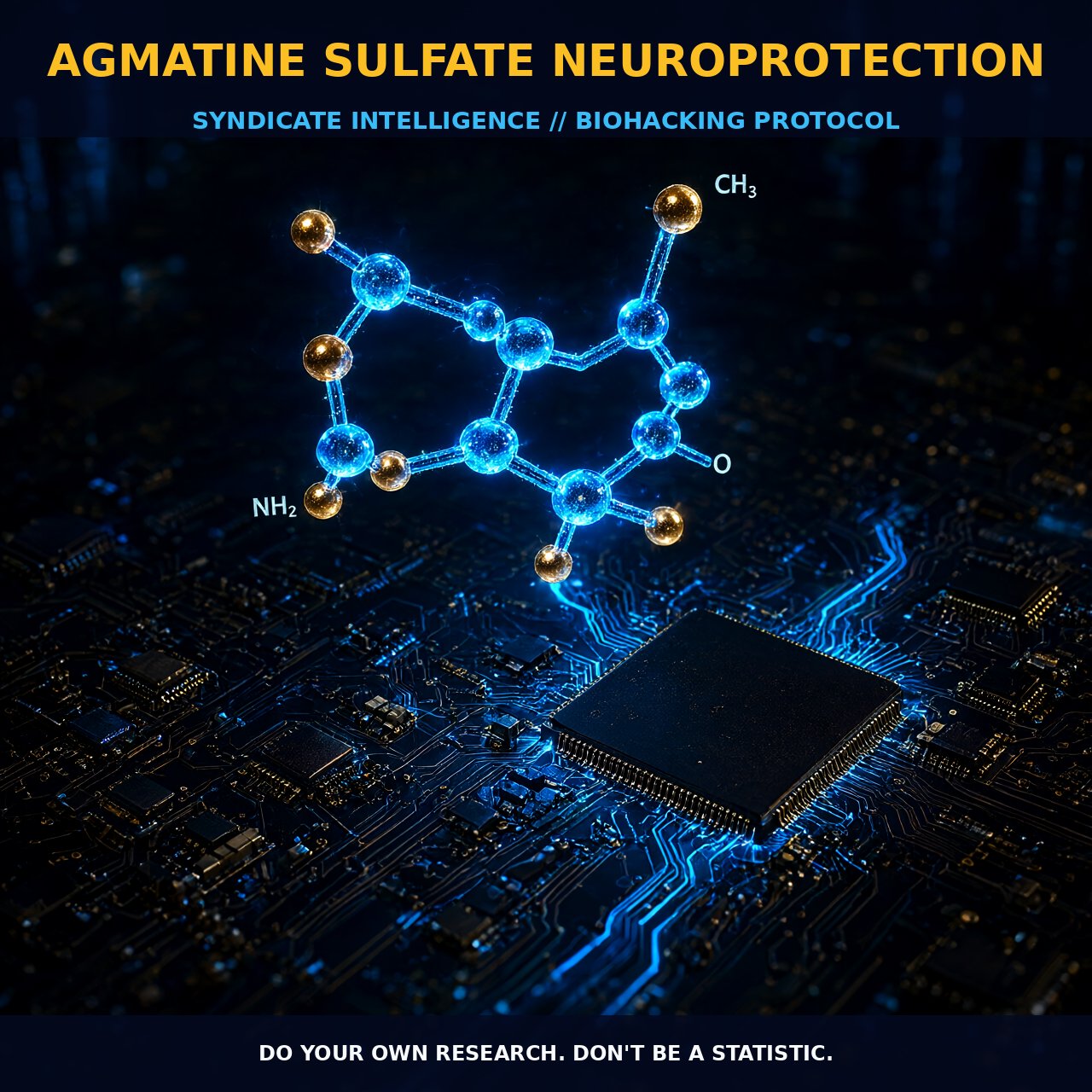
1. Mechanistic Architecture of Agmatine Sulfate
Agmatine serves as a critical endogenous polyamine, synthesized directly from L-arginine via arginine decarboxylase. Positioned as a fundamental neuromodulator within the central nervous system, its pharmacological identity is defined by two primary actions: acting as a high-affinity ligand for imidazoline binding sites and functioning as a potent antagonist at NMDA receptors. This dual capability allows agmatine to precisely regulate glutamatergic neurotransmission, effectively preventing excessive calcium influx and mitigating excitotoxicity—a pivotal mechanism in neuronal preservation during both acute trauma and chronic degeneration.
Beyond simple receptor blockade, agmatine actively supports cellular survival by inhibiting nitric oxide synthase and regulating ADP ribosylation. These processes create a stable intracellular environment that buffers neurons against stress-induced damage. Its role extends to the modulation of polyamine synthesis and insulin release, bridging local neural circuitry with broader systemic metabolic states, thereby ensuring that neuroprotection is not isolated but integrated into overall physiological homeostasis.
2. Biological Leverage and Systemic Resilience
The therapeutic efficacy of agmatine lies in its broad-spectrum neuromodulatory capacity, particularly in countering the deleterious effects of chronic stress and neuronal injury. Preclinical evidence across various CNS cell lines demonstrates its resilience against excitotoxicity, ischemic hypoxia, and corticosteroid-induced neurotoxicity. Notably, it has been observed to rescue retinal ganglion cells from toxicity, highlighting its protective scope beyond the brain parenchyma.
Central to this leverage is agmatine’s ability to preserve mitochondrial membrane potential by scavenging free radicals and suppressing NF-kappa B activation. This suppression prevents apoptotic cell death in neuronal-like cells, even when exposed to potent toxins like rotenone. The cumulative data suggests that agmatine does not merely reactively block damage but proactively enhances metabolic resilience and synaptic plasticity. Furthermore, its influence on the gut microbiome introduces a bidirectional nitrergic signaling pathway, suggesting that exogenous supplementation can restore balance in systems linked to the pathogenesis of various brain disorders.
3. Tactical Implementation and Stacking
For high-performance integration, agmatine sulfate is recognized as a safe dietary ingredient with robust evidence supporting its long-term viability. Clinical trials confirm safety for oral administration, including short-term high-dose regimens and continuous use up to five years without adverse effects. While human dosing protocols remain flexible, the established safety profile allows for precise titration based on individual stress markers and neurological symptoms.
Strategic stacking amplifies its benefits. Agmatine exhibits superadditive interactions with NMDA receptor antagonists, making it particularly effective in managing hyperalgesia and neuropathic pain. Consider combining it with agents that support nitric oxide regulation or polyamine synthesis to maximize synergistic effects on mood regulation and cognitive function. The goal is consistent supplementation to maintain stable agmatinergic signaling, leveraging its pleiotropic effects on neurotransmission, mitochondrial health, and oxidative stress for sustained biological optimization.
4. Prostar Life Hack
Optimize your circadian neuroprotection by taking agmatine sulfate in the evening or post-training. Its NMDA antagonism reduces excitatory overload accumulated throughout the day, while its support of nitric oxide synthesis improves blood flow and mitochondrial recovery during sleep. Stack with L-arginine for enhanced polyamine substrate availability to maximize the metabolic synergy.
Prostar Life Hack
Prostar Life Hack: Optimize your circadian neuroprotection by taking agmatine sulfate in the evening or post-training. Its NMDA antagonism reduces excitatory overload accumulated throughout the day, while its support of nitric oxide synthesis improves blood flow and mitochondrial recovery during sleep. Stack with L-arginine for enhanced polyamine substrate availability to maximize the metabolic synergy.
[ AUTHOR: LEAD TECHNICAL RESEARCHER ]