
NAC: Precision Redox Modulation and Glutamate Homeostasis
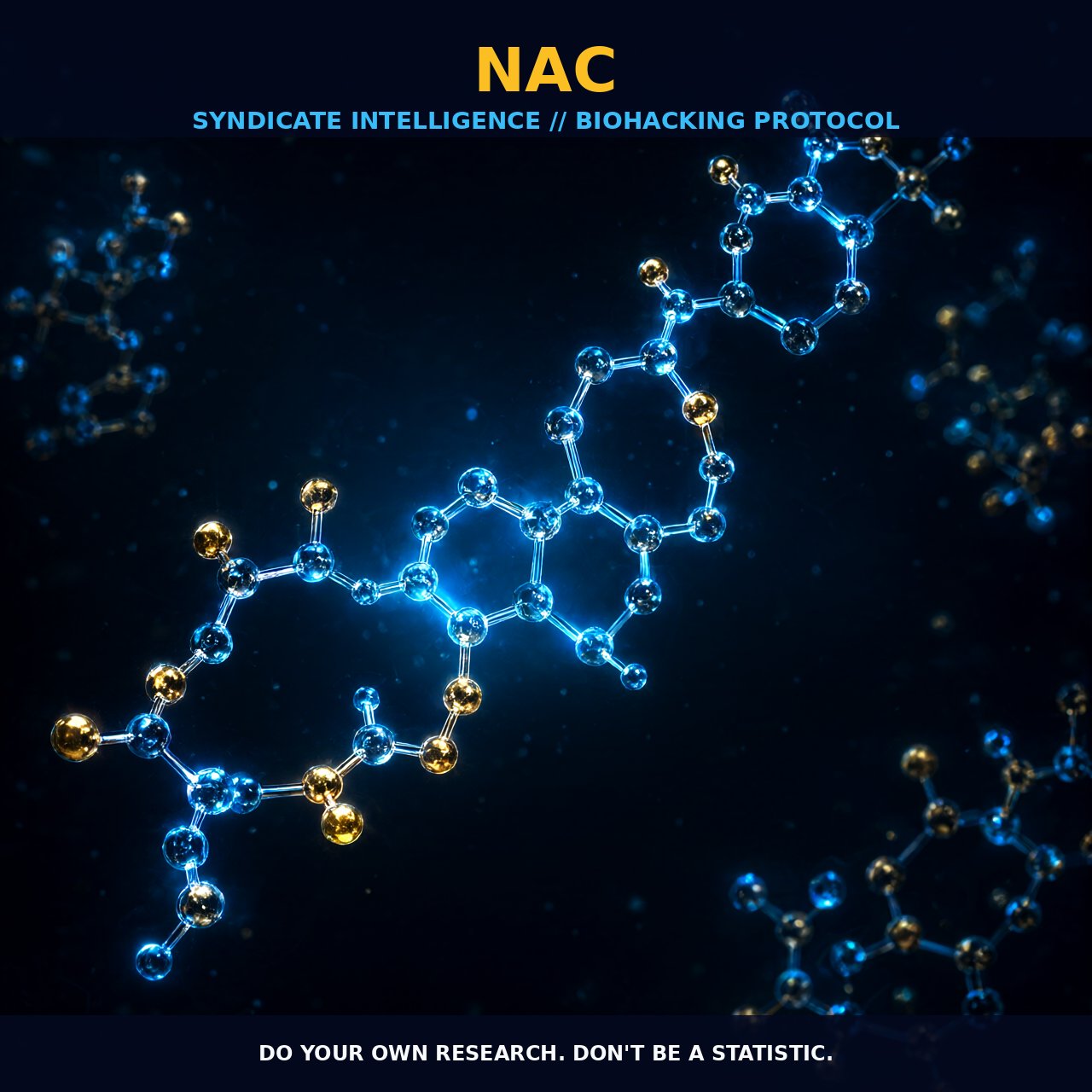
1. The Molecular Architecture of NAC
N-acetylcysteine (NAC) is far more than a simple antioxidant precursor; it is a sophisticated small-molecule thiol with distinct physicochemical properties that dictate its cellular behavior and membrane permeability. Its sulfhydryl group possesses a relatively high pKa of approximately 9.87 under physiological ionic strength, resulting in a higher redox potential compared to glutathione or cysteine. This thermodynamic profile allows NAC to efficiently reduce disulfide bonds within proteins—a mechanism distinct from simple radical scavering—critical for disrupting ligand bonding and altering protein structures, such as mucous proteins, without the steric hindrance associated with larger reducing agents.
The pharmacokinetic behavior of NAC is heavily influenced by its ionization state. In the acidic environment of the stomach (pH < 3.3), NAC exists predominantly in its neutral form, enabling passive diffusion across the gastric epithelium. Once in systemic circulation, it remains largely confined to the vascular space unless N-deacetylation occurs or carrier-mediated transport is utilized. While early studies presented contradictory data regarding blood-brain barrier penetration, the consensus suggests that NAC enters cells effectively when membrane integrity is compromised by oxidative stress, forming aqueous pores that permit the passage of this non-electrolyte.
2. Biological Leverage: Redox and Neurotransmission
The primary physiological leverage of NAC lies in its ability to modulate extracellular glutamate homeostasis through the cystine/glutamate antiporter system. By influencing this transporter, NAC helps normalize excessive extracellular glutamate levels, a key pathological feature in excitotoxicity. This modulation extends to synaptic release dynamics regulated by metabotropic glutamate receptors (specifically mGluR2/3) and addresses dysregulations in receptor-mediated calcium release documented across various psychiatric disorders.
Beyond neurotransmission, NAC serves as a sophisticated redox modulator. It does not react significantly with molecular oxygen or nitric oxide directly but reacts rapidly with highly oxidizing radicals like hydroxyl, nitrogen dioxide, carbonate radicals, and the unique species nitroxyl (HNO). This selective reactivity allows NAC to maintain mitochondrial redox homeostasis and influence complex pathways such as SIRT3-SOD2/Gpx4. Consequently, it alleviates oxidative damage in tissues like the kidney and liver while supporting neuroprotective mechanisms against neurotoxicity and potentially modulating tumor progression through interactions with cell cycle regulation and apoptosis pathways.
3. Tactical Implementation Protocol
Implementation of NAC requires attention to dosing frequency and physiological context due to its rapid distribution and metabolic processing. Research indicates that NAC and its metabolite, cysteine, distribute rapidly to major tissues including the kidney, liver, adrenal glands, and lungs, with bioavailability appearing robust following oral or intravenous administration.
For therapeutic modulation of glutamate or redox status, frequent dosing is often necessary to maintain adequate plasma concentrations that drive the antiporter system effectively. Furthermore, when stacking NAC with other agents for neuropsychiatric support, the neutral form's ability to penetrate lipid membranes in low pH environments makes it particularly suitable for pre-meal or fasted states where gastric acidity is higher.
NAC’s efficacy as an adjunctive treatment spans a broad spectrum from substance dependence to neurodegenerative processes. However, monitor response carefully: the interplay between NAC's thiol reactivity and the body's existing redox couples can lead to divergent effects depending on the baseline oxidative state of the individual.
4. Prostar Life Hack
For maximum absorption, take NAC in a fasted state or pre-meal to leverage high gastric acidity (pH < 3.3) for passive diffusion. To sustain glutamate homeostasis and redox buffering throughout the day, opt for frequent, smaller doses rather than a single large bolus.
Prostar Life Hack
For maximum absorption, take NAC in a fasted state or pre-meal to leverage high gastric acidity (pH < 3.3) for passive diffusion. To sustain glutamate homeostasis and redox buffering throughout the day, opt for frequent, smaller doses rather than a single large bolus.
[ AUTHOR: LEAD TECHNICAL RESEARCHER ]