
Neurobiological Optimization of Motor Precision via Nicotinic
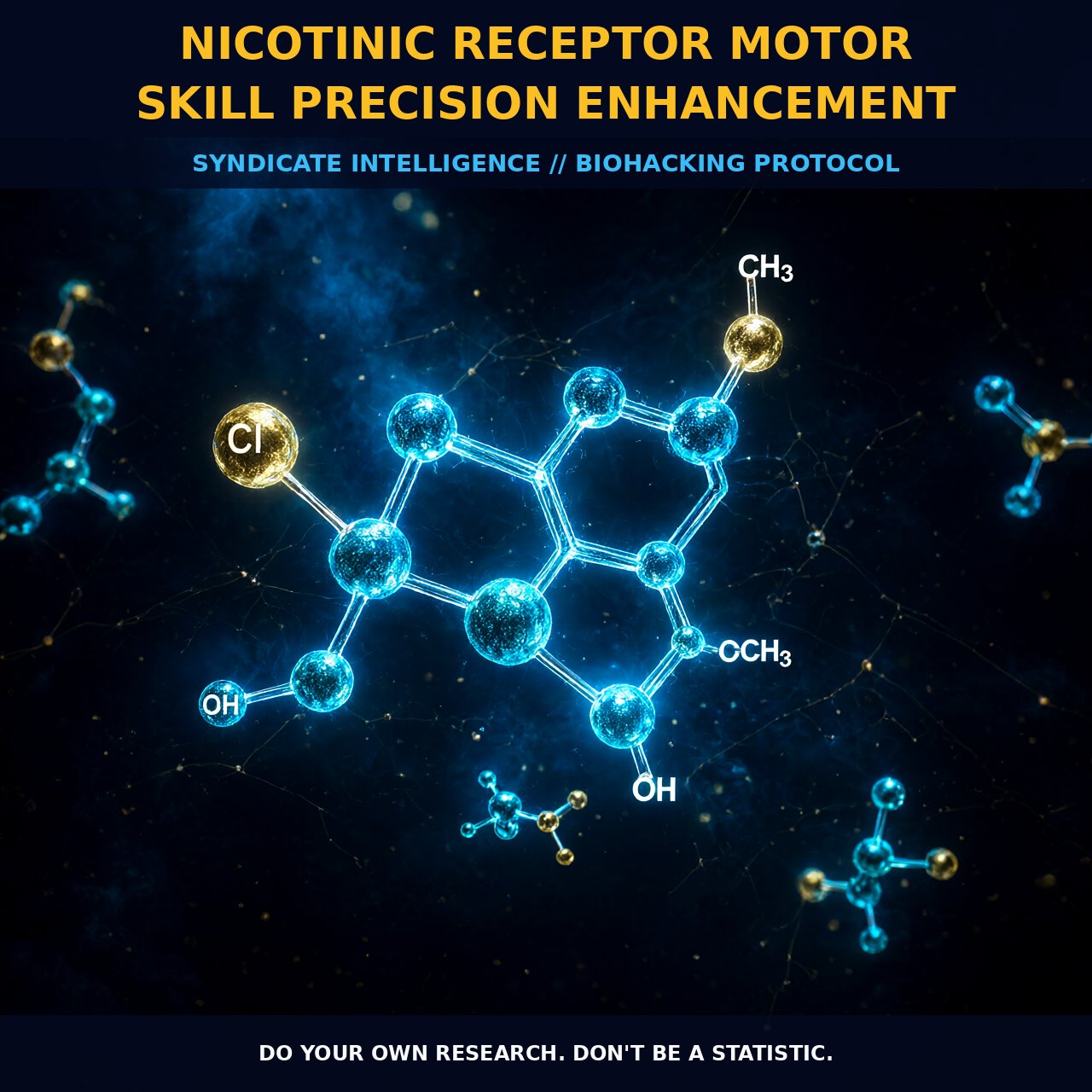
1. The Mechanism of Action
Nicotinic acetylcholine receptors serve as sophisticated molecular gateways within the central nervous system, far exceeding the function of simple on-off switches. Nicotine operates as a precise key, unlocking these receptor sites and initiating a cascading neural activation sequence that governs attention, memory consolidation, and motor execution. This interaction is defined by signal-to-noise ratio refinement in the motor cortex outputs, ensuring that physical commands are transmitted with high fidelity and minimal metabolic interference.
The resulting motor enhancement manifests not merely as speed, but as controlled fluency. Users experience heightened fine motor coordination, evidenced by improved handwriting precision and accelerated finger tap speeds without compromising accuracy. This is mediated by the modulation of specific receptor types that regulate neural timing and synaptic efficacy, sharpening the output so that intended movements are executed with exactitude.
2. Biological Leverage & Neuroplasticity
Beyond acute motor coordination, nicotine induces profound cognitive states conducive to high-performance tasks. Chronic exposure facilitates long-term potentiation in the amygdala, a critical process for sustaining attention during mentally taxing activities. This neuroplastic adaptation allows users to maintain focus for extended durations, reducing the fatigue typically associated with repetitive motor or cognitive loads.
The compound’s nootropic profile is robust, accelerating reaction times and bolstering short-term memory recall. Meta-analyses confirm significant improvements in motor abilities across diverse populations, driven by the synergistic suppression of appetite—particularly when paired with caffeine. This multi-system leverage creates an optimized physiological state where motor precision and cognitive clarity operate in tandem, supporting complex behavioral outputs with sustained energy utilization.
3. Tactical Implementation Protocol
To maximize bioavailability while avoiding toxicity, the delivery method is paramount. Non-combustible sources are preferred to eliminate confounding compounds found in smoking. For all-day support, low-dose patches provide steady-state serum levels ideal for sustained motor and cognitive maintenance. Conversely, low-dose gum allows for acute titration to meet immediate performance needs.
For rapid intervention, mouth sprays and sublingual injections offer quick onset options before specific physical performances. Dosage must be calibrated to individual tolerance to prevent overstimulation of the mesolimbic dopamine system, which can precipitate addiction even in non-tobacco users. The optimal window is found by monitoring the interplay between vigilance gains and potential jitteriness, often enhanced by combining nicotine with established stimulants like caffeine.
Prostar Life Hack
Synergistic Stacking: For peak motor precision during high-stakes tasks, pair a low-dose fast-acting nicotine source (spray or gum) with caffeine. This combination creates a dual-pathway activation that suppresses hunger distractions while sharpening neural timing. Start low to assess receptor responsiveness, aiming for the "clarity sweet spot" where movements feel both faster and more deliberate.
Prostar Life Hack
Pair low-dose fast-acting nicotine (spray/gum) with caffeine to suppress hunger and sharpen neural timing. Calibrate to individual tolerance to avoid dopamine overstimulation, aiming for a state of accelerated yet deliberate motor output.
[ AUTHOR: LEAD TECHNICAL RESEARCHER ]
[FRESH ON CHAIN: 0f6e31cc1d9c730f... ]