
Nicotine Toxicity Thresholds: Optimizing Dose Velocity for
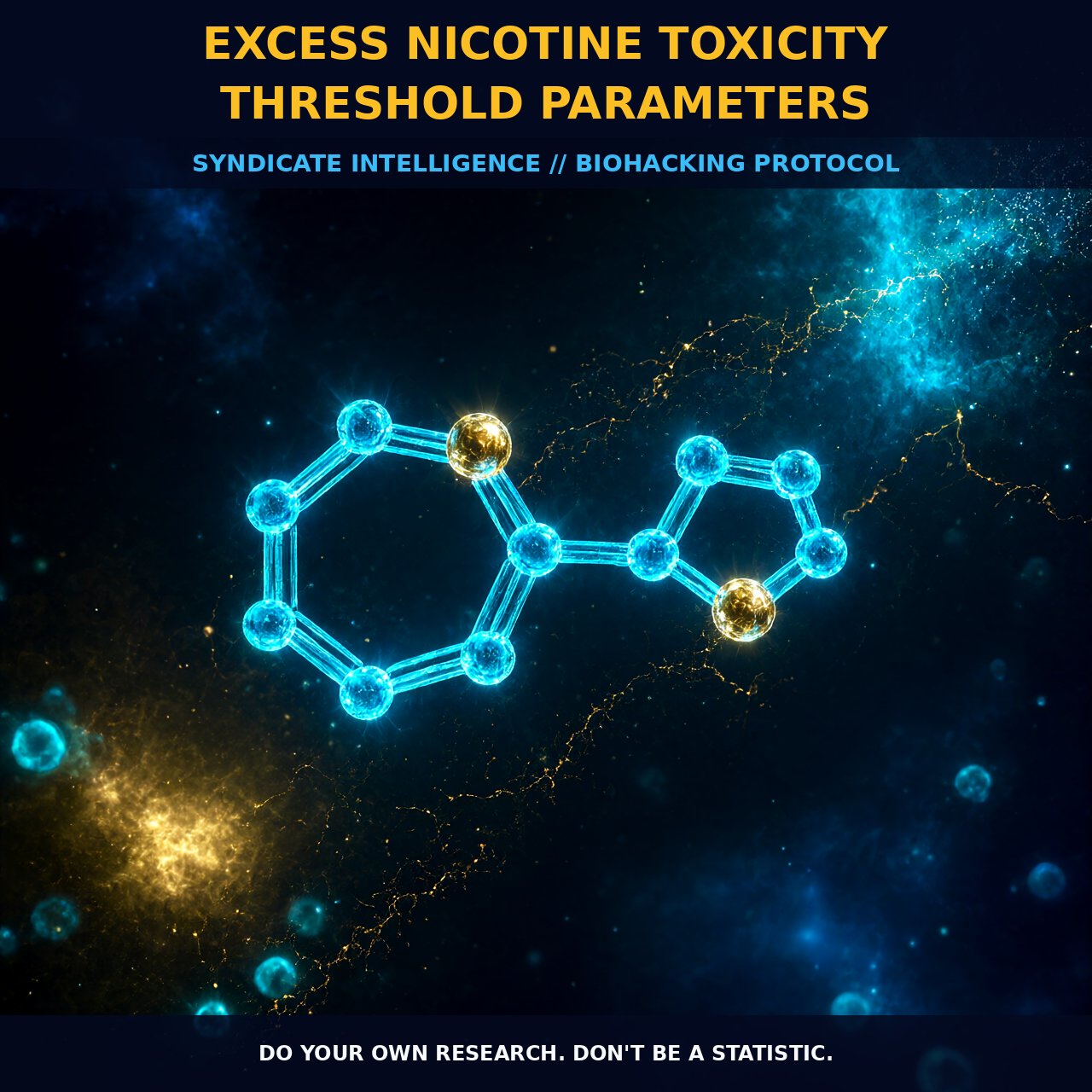
1. The Pharmacological Architecture of Nicotine
Nicotine operates as a potent parasympathomimetic alkaloid, binding selectively to nicotinic acetylcholine receptors (nAChRs) to activate distinct neural circuits governing attention, memory consolidation, and motor precision. Unlike broad-spectrum stimulants, its efficacy is dictated by the specific receptor subtypes engaged, with the mesolimbic dopamine system serving as the central hub for pleasurable reinforcement.
This activation induces a state of heightened vigilance, allowing individuals to sustain cognitive load on mentally demanding tasks with reduced fatigue. The molecule’s high affinity regulates ancillary neurotransmitter systems, yielding measurable improvements in short-term memory retention and accelerating reaction times. Crucially, the biological impact is not static; it is a function of dose magnitude and delivery velocity.
2. Toxicity Thresholds and Delivery Dynamics
The threshold for nicotine toxicity is defined by how rapidly the compound enters the brain. High-velocity delivery methods, such as smoking or vaping, trigger an intense surge in the pleasure pathway, significantly increasing addiction potential while placing stress on mitochondrial function.
Conversely, low-dose applications release nicotine gradually, creating a cognitive enhancement window without the adverse effects of accumulation. Excessive intake is not merely uncomfortable; it is physiologically disruptive, capable of inducing nausea and gastrointestinal distress. While humans tolerate significant amounts, the optimal cognitive window resides at the lower end of the spectrum, where benefits are maximized and toxicity minimized.
3. Biological Leverage: Motor Control and Neuroprotection
The primary nootropic leverage point of nicotine is the refinement of neuromuscular coordination. Users exhibit more controlled motor output, characterized by fluent handwriting and faster, accurate finger-tapping speeds. This precision extends to vigilance, enabling the brain to filter distractors and maintain focus on fatiguing tasks for extended periods.
Beyond acute sharpening, nicotine modulates inflammatory responses and supports long-term neurological health. While it inhibits interleukin-10 (an anti-inflammatory protein), this effect is dose-dependent and rarely leads to pathological inflammation at therapeutic levels. Emerging data suggests that downregulated nAChR expression in conditions like Alzheimer’s indicates that adequate nicotine signaling may preserve these pathways against age-related decline.
4. Protocol Implementation
Optimal implementation prioritizes low-dose, occasional use over continuous high-intensity exposure. A starting protocol of 1–2 mg in divided doses provides cognitive enhancement while mitigating side effects like hair loss or erectile dysfunction in sensitive individuals.
For transdermal delivery, users should opt for the smallest patches, potentially cutting them in half to achieve a 1–4 mg release over 1–2 hours. This method avoids the nausea associated with high-concentration spikes. Crucially, slower absorption profiles via gum, lozenges, or mouth sprays (releasing 2–4 mg over 20–30 minutes) ensure pleasurable effects without triggering the strong dopamine response linked to addiction in traditional smokers.
Timing is equally critical. With a half-life of 1–2 hours, nicotine can be utilized later in the day without disrupting sleep architecture, provided the dose remains low enough to prevent overstimulation. Store sources as potent pharmacological agents and abstain for ninety days if undergoing life insurance evaluations or managing toxicity symptoms.
Prostar Life Hack
Prostar Life Hack
The 2-Milligram Sweet Spot: Avoid the addiction trap by decoupling dose from speed. Use low-dose patches (cut in half) or mouth sprays to maintain a steady 1–4 mg infusion. This preserves cognitive clarity and motor precision while keeping dopamine surges mild, ensuring you harness nicotine's neuroprotective and focus-enhancing power without locking yourself into a rigid dependency cycle.
[ AUTHOR: LEAD TECHNICAL RESEARCHER ]
[FRESH ON CHAIN: 4b3daa87208ef7fe... ]