
Agmatine Sulfate: Multifaceted Neuroprotection and Synaptic Plasticity
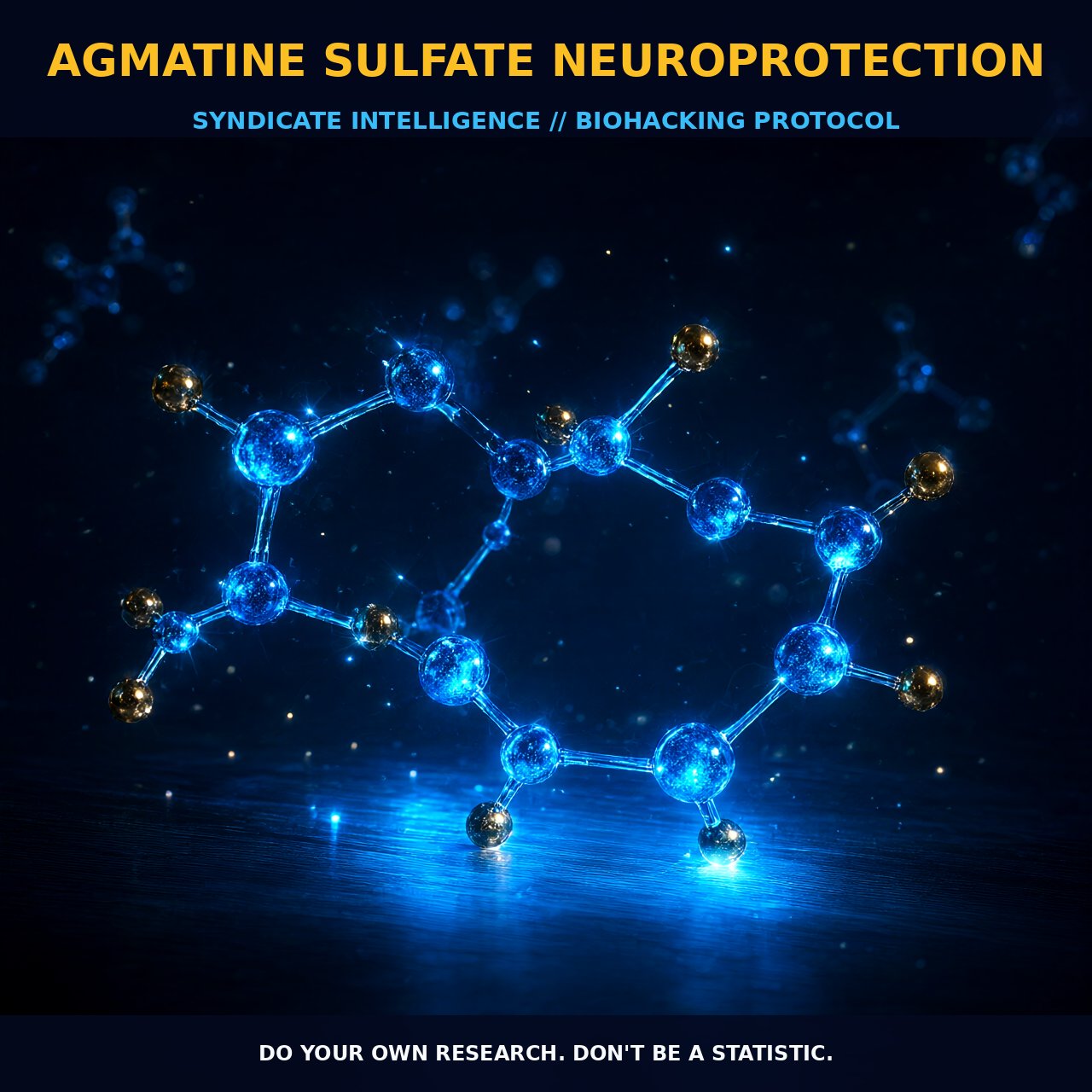
1. Mechanistic Architecture
Agmatine sulfate operates as a sophisticated, multifaceted neuromodulator derived from L-arginine via the action of arginine decarboxylase. Far beyond its role as a metabolic byproduct, it functions as an active polyamine within the central nervous system. Its pharmacological profile is defined by a unique dual-action mechanism: it serves as an NMDA receptor antagonist, effectively blocking glutamatergic excitotoxicity, while simultaneously acting as an agonist at alpha-2 adrenoceptors and ligands for imidazoline binding sites.
This synergistic activity on both excitatory and inhibitory pathways allows agmatine to finely tune neurotransmission, meticulously regulating the release and reabsorption of key neurotransmitters that govern mood and cognitive function. Furthermore, by functioning as a nitric oxide synthase inhibitor, it modulates nitrergic signaling—a critical process in preventing neuronal damage during acute stress events and ischemic conditions.
2. Biological Leverage & Systemic Impact
The neuroprotective capabilities of agmatine extend across a broad spectrum of neural injuries, including cortical steroid-induced neurotoicity, spinal cord trauma, and traumatic brain injury. By preserving retinal ganglion cells and mitigating excitotoxicity, it demonstrates a robust capacity to rescue neurons from toxic insults that typically precipitate degeneration.
Crucially, its role in regulating insulin release creates a direct link between metabolic homeostasis and neuronal survival. This positions agmatine as a potent candidate for addressing brain aging and associated comorbidities where inflammatory pathways intersect with metabolic decline. Additionally, preclinical evidence suggests that the bidirectional link between agmatine signaling and the resident gut microbiome may amplify its therapeutic potential through enteric modulation.
3. Tactical Implementation & Protocol
Agmatine sulfate is the primary delivery format for this polyamine, leveraging superior stability and absorption characteristics to exert maximal therapeutic effects. While clinical trials have established safety for short-term high-dose regimens up to twenty-one days, longer-term oral administration shows consistent efficacy without inducing physiological incapacity.
Users seeking neuroprotection should prioritize consistent supplementation to maintain steady-state levels, supporting both acute stress response and chronic resilience. When stacked with agents targeting complementary pathways, particularly in the context of mood disorders or cognitive decline, its neuromodulatory output is significantly enhanced. Its specific antagonism of NMDA receptors and agonism of alpha-2 adrenoceptors make it highly compatible with nootropic stacks designed to reduce excitatory overload while promoting calm focus.
4. Prostar Life Hack
Optimize via Metrics, Not Just Dosing: While precise human pharmacokinetics are still being refined, the most practical metric for efficacy is subjective cognitive clarity and stress tolerance. Rather than fixating on abstract biochemical markers, monitor your ability to maintain calm focus under physiological strain. If you experience a noticeable reduction in brain fog and an increase in resilience during acute stress, your baseline nitrergic signaling and endogenous polyamine levels are likely well-aligned with the supplementation.
Prostar Life Hack
Optimize via Metrics, Not Just Dosing: While precise human pharmacokinetics are still being refined, the most practical metric for efficacy is subjective cognitive clarity and stress tolerance. Rather than fixating on abstract biochemical markers, monitor your ability to maintain calm focus under physiological strain.
[ AUTHOR: LEAD TECHNICAL RESEARCHER ]
[FRESH ON CHAIN: 49b02e5f190d819a... ]